
If you are asking what permits are needed for an indoor playground, the first answer is that the United States has no single nationwide indoor-playground license. Your checklist depends on the project address, zoning, existing building use, construction scope, customer capacity, equipment, and whether the business adds food service, alcohol, child care, trampolines, climbing, inflatables, or mechanical attractions.
Start with the exact address and a complete business description. Local planning, building, fire, health, and licensing authorities need to understand what you will operate—not simply that children will play there. An equipment manufacturer can supply layouts, material information, and installation documents, but cannot replace licensed local professionals or the authority having jurisdiction.
1. Separate Registrations, Permits, Inspections, and Standards
The documents used in an indoor-playground project do not all serve the same purpose. Treating everything as a “certificate” can hide missing approvals.
- Business registration creates the legal entity at the state level.
- An EIN and tax registrations establish federal, state, or local tax accounts.
- A business license authorizes business activity in a city or county when required.
- Zoning or use approval confirms whether the address allows the proposed operation.
- Building and trade permits authorize construction and electrical, mechanical, plumbing, or fire-system work.
- Inspections verify work or site conditions at required stages.
- A Certificate of Occupancy confirms that the premises may be occupied for the approved use.
- Equipment standards and technical documents address the play equipment, not the legal operation of the entire venue.
An Employer Identification Number is a federal tax ID, not an operating permit. ASTM documents are not building permits. Insurance and customer waivers are also separate from government approval.
2. Define the Address, Business Model, and Attraction List
Before contacting an agency, prepare a one-page project description that includes:
- state, county, city, and full street address;
- standalone playground, mall unit, family entertainment center, play café, school, daycare, or add-on amenity;
- target ages, proposed hours, and expected maximum attendance;
- open play, memberships, parties, camps, classes, and group events;
- whether parents must remain on the premises;
- food, drink, kitchen, or alcohol plans;
- soft-contained play, toddler play, trampolines, climbing, zip lines, inflatables, or powered devices; and
- planned changes to walls, restrooms, HVAC, electrical service, sprinklers, alarms, or signs.
The words “children’s playground” are not enough for an accurate agency response. Drop-off care, food preparation, or one additional attraction may change the departments involved.
3. Confirm Zoning Before Signing a Long Lease
A commercially zoned property does not automatically allow indoor recreation, assembly, entertainment, child care, or food service. Ask the planning or zoning department how it classifies the proposed use and whether it is allowed by right.
The property may require zoning clearance, a conditional or special use permit, administrative review, or a hearing. Parking, operating hours, noise, customer pickup, and signs may also be regulated. Ask whether adding food, drop-off programs, or other attractions would change the use determination.
Local variation is significant. For example, the City of Dublin, California, states that an indoor recreational facility may require a Zoning Clearance or Minor Use Permit, while physical improvements may also require a Building Permit. That local example should not be copied as a national rule; it demonstrates why the exact address matters.
Have an attorney and real-estate adviser address approval contingencies, landlord and tenant work, improvement allowances, rent during permitting, signage, parking, renewal rights, and equipment removal. A landlord’s statement that the use “should be fine” is not written zoning confirmation.

4. Review the Existing Certificate of Occupancy
A property may already have a Certificate of Occupancy, but the approved use may not match an indoor playground. Retail, office, warehouse, restaurant, fitness, child-care, and entertainment uses can have different occupancy classifications, occupant loads, exits, restroom requirements, parking, and fire protection.
Request the existing Certificate of Occupancy, available architectural plans, previous permits, sprinkler and alarm records, and the approved occupant load. Ask a qualified local professional whether the project creates a change of use or occupancy and whether a new or amended certificate will be required.
Ticket capacity does not establish legal occupant load. The final figure depends on the adopted code, classification, floor area, exits, layout, and local interpretation. A play structure fitting inside the room does not prove that the intended number of customers can legally occupy it.
5. Complete Business and Tax Registrations
Business formation can progress alongside property due diligence, but it does not replace site approval. Depending on the state and structure, the owner may need to:
- form an LLC, corporation, partnership, or other entity;
- register a DBA or fictitious business name;
- obtain an EIN from the IRS;
- open state and local tax accounts;
- confirm sales-tax or seller’s-permit requirements;
- apply for the applicable city or county business license; and
- complete employer, payroll, and workers’ compensation registrations.
The required order varies. A local license application may ask for the address, entity information, tax account, approved use, or Certificate of Occupancy. Follow the sequence provided by the relevant agencies.
6. Identify Building and Trade Permits
Converting a commercial unit into an indoor playground may require permits even when the structural shell remains unchanged. Walls, reception, party rooms, restrooms, electrical connections, HVAC, kitchens, signs, sprinklers, and alarms can all affect the permit scope.
Possible applications include a Building or Tenant Improvement Permit, Electrical Permit, Mechanical Permit, Plumbing Permit, Sprinkler Permit, Fire Alarm Permit, and Sign Permit. A kitchen can add health-department and construction requirements.
Local licensed professionals should identify required stamped drawings, licensed-contractor work, inspection stages, and work that cannot be concealed before inspection. Coordinate this schedule with equipment production. Equipment arriving before the permitted site is ready creates storage, handling, and delay costs.
7. Prepare the Building and Fire Review Package
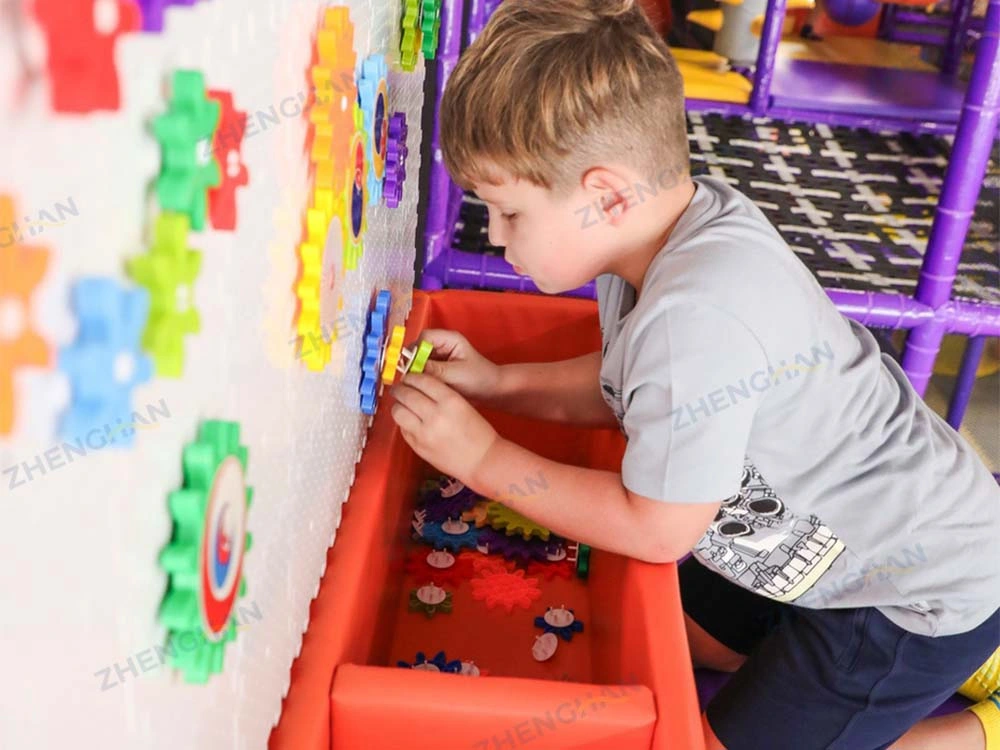
Fire coordination should begin while the equipment layout is adjustable, not after installation. Play-structure location, height, and materials can affect exits, travel routes, sprinklers, detectors, alarms, emergency lighting, rescue access, and staff visibility.
A review package may need:
- floor plans and the proposed occupancy classification;
- occupant-load calculations;
- exit number, width, travel distance, and egress routes;
- play-equipment footprint, height, platforms, and boundaries;
- sprinkler, alarm, detection, and emergency-lighting information;
- applicable material fire-performance documents;
- emergency access and evacuation routes;
- reception, shoe storage, queues, parent seating, and party rooms; and
- accessible routes and customer facilities.
Jurisdictions adopt different editions of model building and fire codes and may add local amendments. Ask the authority having jurisdiction which editions apply. Passing a fire inspection does not automatically satisfy building, health, equipment, or business-license requirements.
8. Keep Equipment Documents Separate From Venue Permits
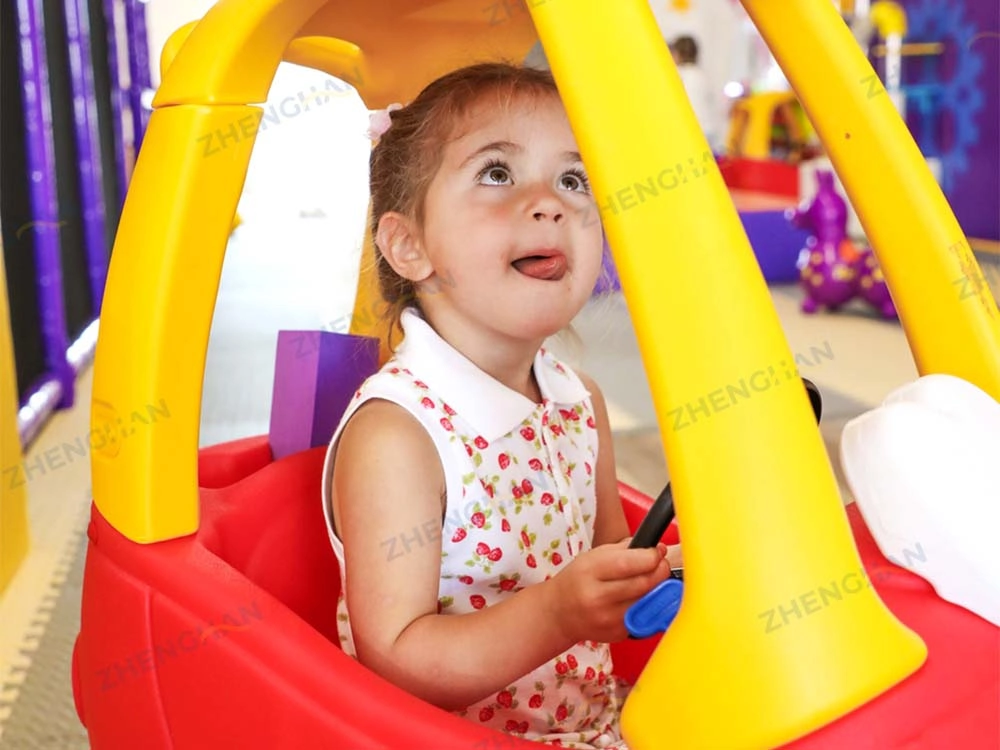
Technical information for soft play apparatus can support permit review, but it cannot replace local approvals. Ask the manufacturer for documents tied to the final order rather than a generic marketing certificate.
The package may include final layouts, equipment dimensions and heights, structural and component information, material specifications, applicable test documents, installation and anchoring instructions, inspection and maintenance manuals, spare-parts lists, packing references, age zoning, and warranty terms.
ASTM F1918 addresses soft-contained play equipment. It is not a nationwide business license issued by ASTM to an entire venue. It also does not replace a Building Permit, fire review, Certificate of Occupancy, accessibility obligations, or the operator’s maintenance duties.
If products, materials, or layout change during approval or production, confirm that the drawings and supporting documents still match the final order. The architect, fire consultant, insurer, and inspector need project-specific information.
9. Check Food, Alcohol, and Child-Care Licensing
Food and Beverage
Selling sealed snacks is different from preparing drinks, cooking food, or operating a commercial kitchen. Ask the health department about food-establishment permits, handwashing, sinks, refrigeration, storage, cleaning, food-manager or food-handler training, and pre-opening inspection. Alcohol service can require a separate state or local license.
Decide the food model before completing the building design. A kitchen may change electrical service, plumbing, ventilation, grease control, storage, and sanitation requirements.
Child Care and Drop-Off Programs
Parent-supervised open play is not necessarily regulated in the same way as care provided after a parent leaves. Whether a child-care license is required can depend on state law, ages, duration, activities, staff responsibilities, and available exemptions.
Before offering drop-off camps, after-school care, or extended supervision, ask the state or local child-care agency about licensing, exemptions, staff-to-child ratios, background checks, training, sign-in and release procedures, first aid, and incident reporting. Calling a service a “play session” does not determine its legal classification.
10. Classify Additional Attractions Separately
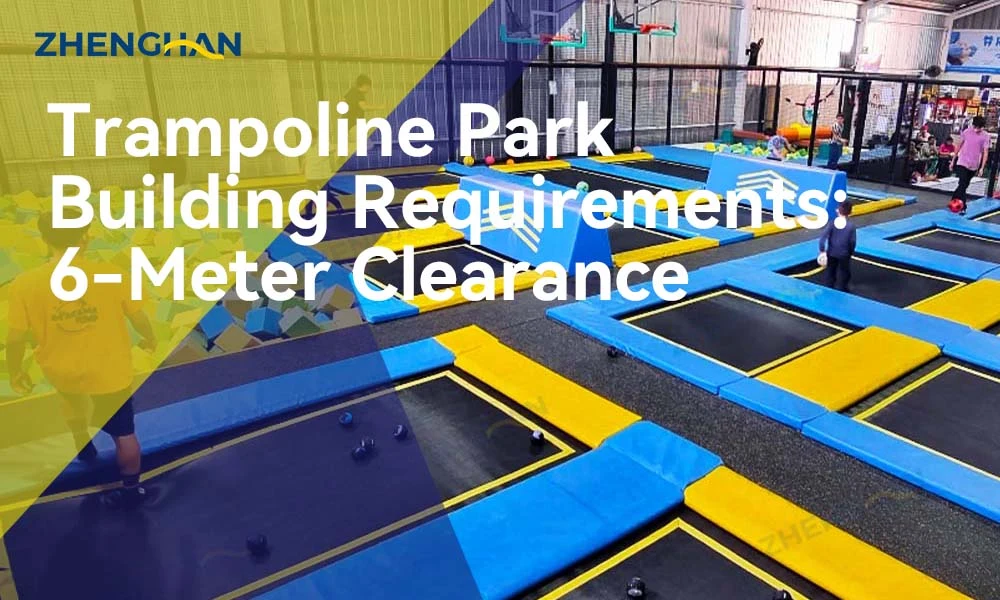
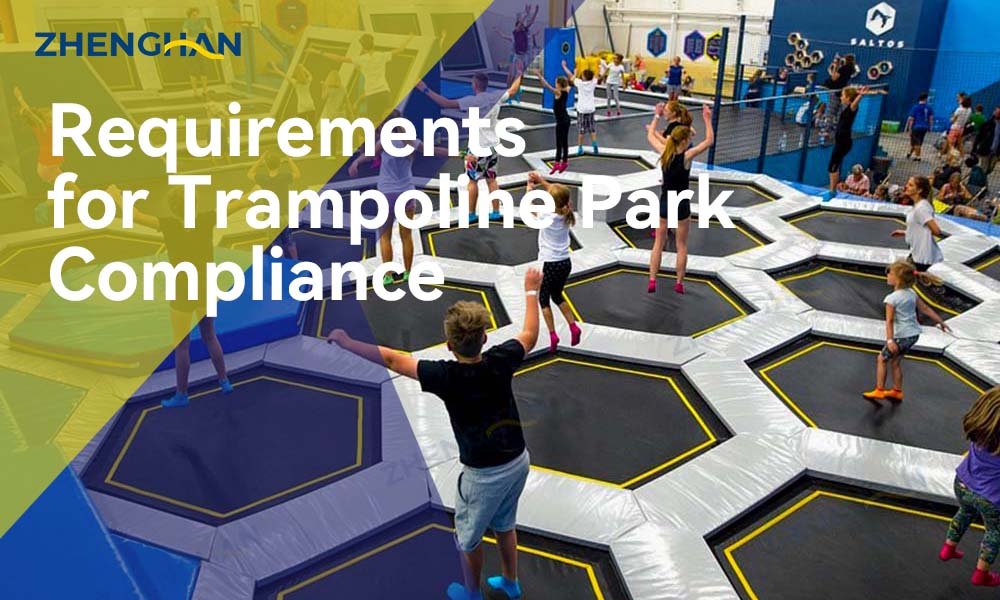
Trampolines, climbing walls, zip lines, ropes courses, inflatables, and powered or mechanical devices may follow requirements beyond those for soft play. Classification can depend on structure, height, power source, operation, and state law.
Possible requirements include amusement-device registration, design review, installation or operating permits, professional inspection, periodic inspection, operator training, incident reporting, or specific insurance limits. Submit the full attraction list during concept design.
Al comparar trampoline park manufacturers for USA projects, ask each supplier to define its product scope, documents, installation support, and exclusions. Experience in one state does not guarantee approval at a new address.
11. Treat ADA Compliance as an Ongoing Duty
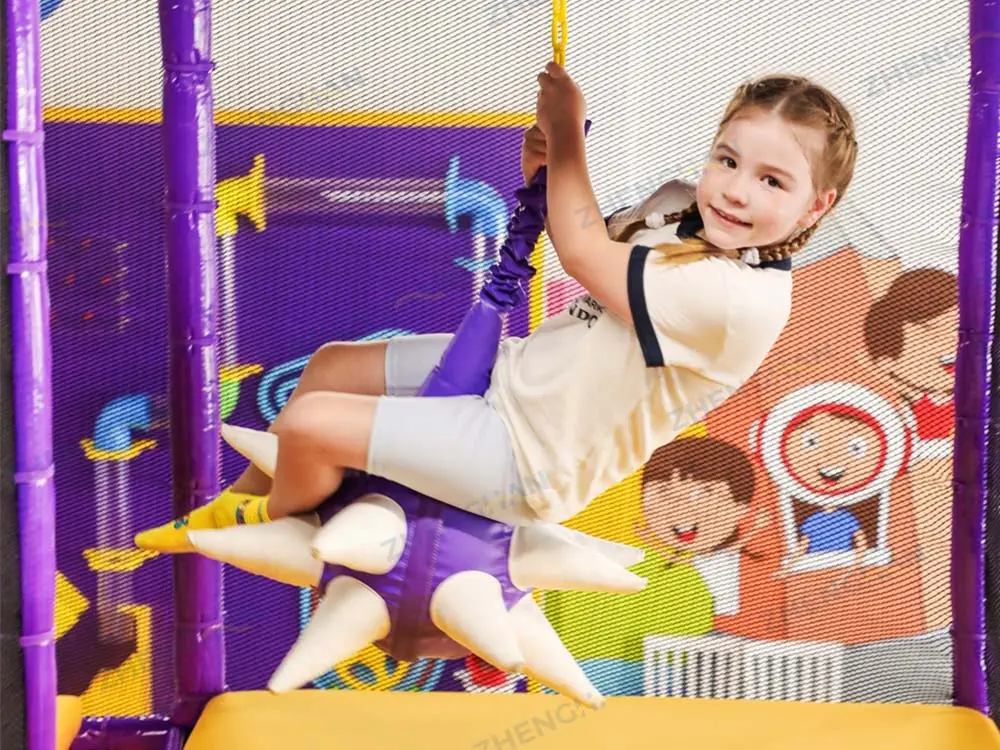
The Americans with Disabilities Act applies to many businesses open to the public, including recreation facilities. ADA compliance is not a standalone certificate purchased at the end of the project.
Review accessible parking and entrances; routes to reception, restrooms, seating, party rooms, and services; door widths, ramps, turning spaces, counters, and customer policies. New construction and alterations may need to comply with applicable accessibility standards. Building review may cover part of this work, but the operator should obtain advice from qualified U.S. professionals rather than treating a manufacturer’s layout as a complete ADA review.
12. Case Example: Fun Play World Los Angeles
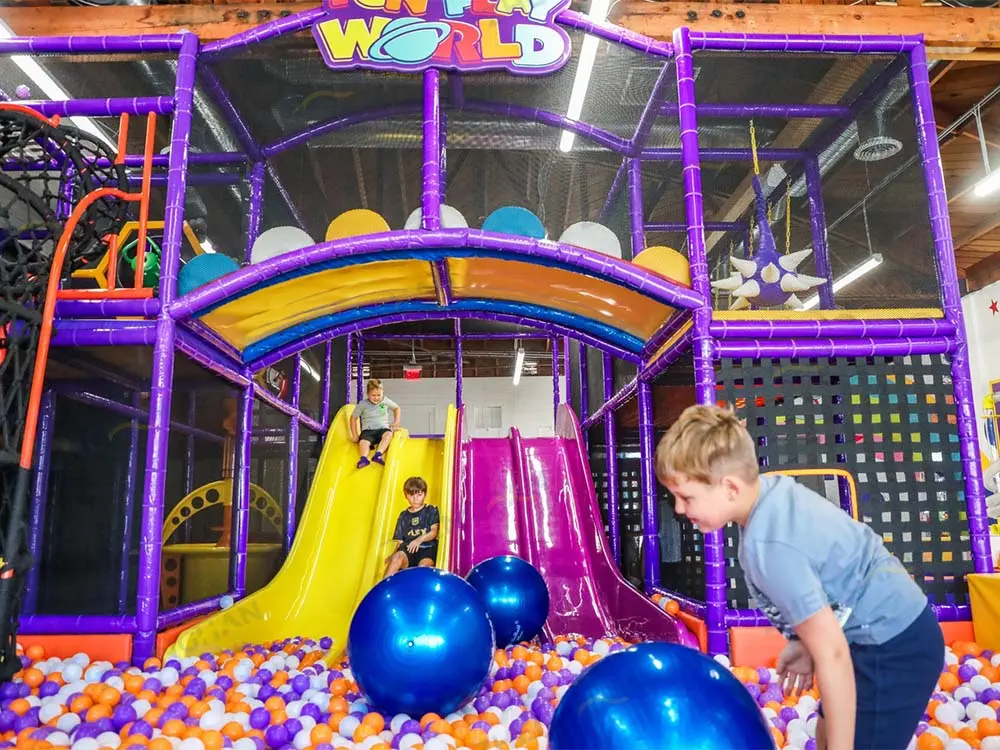
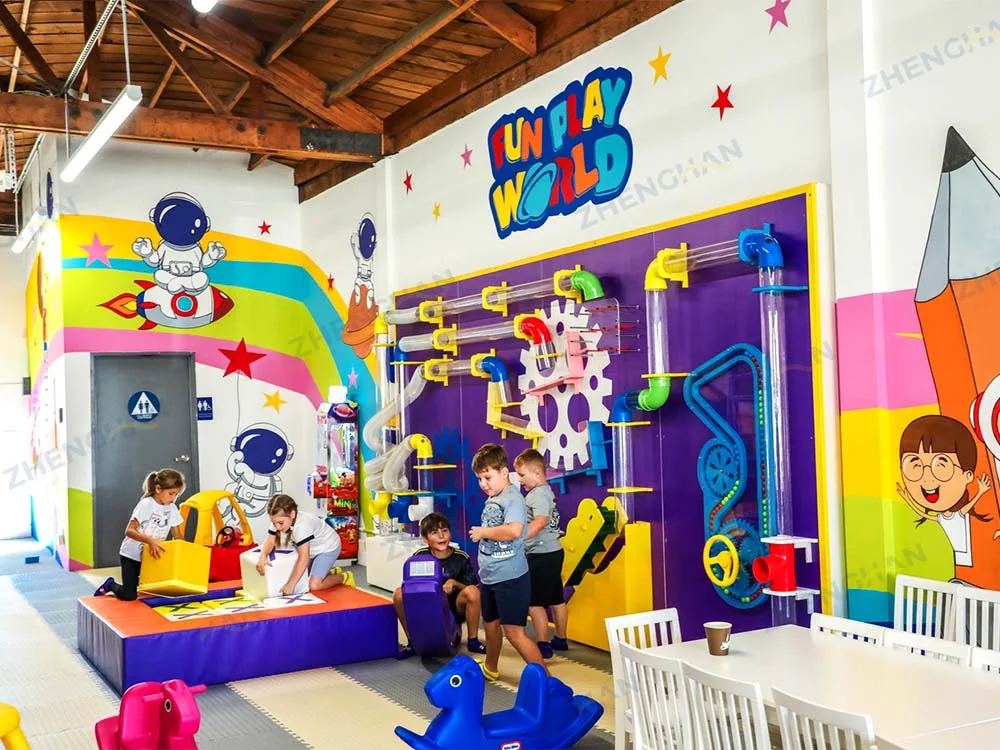
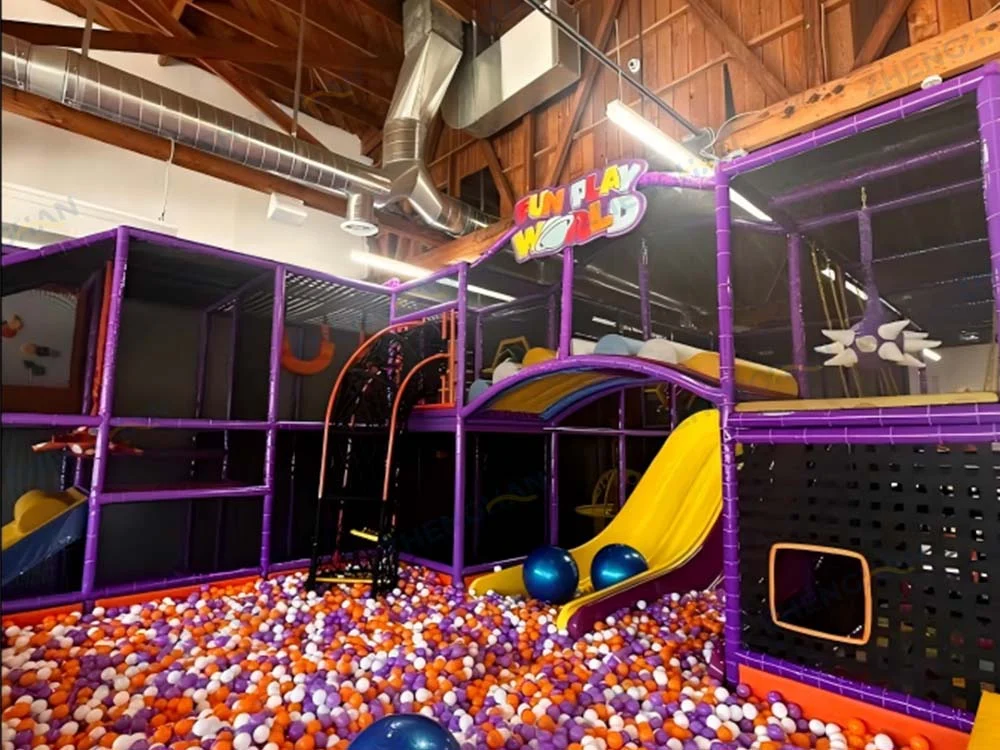
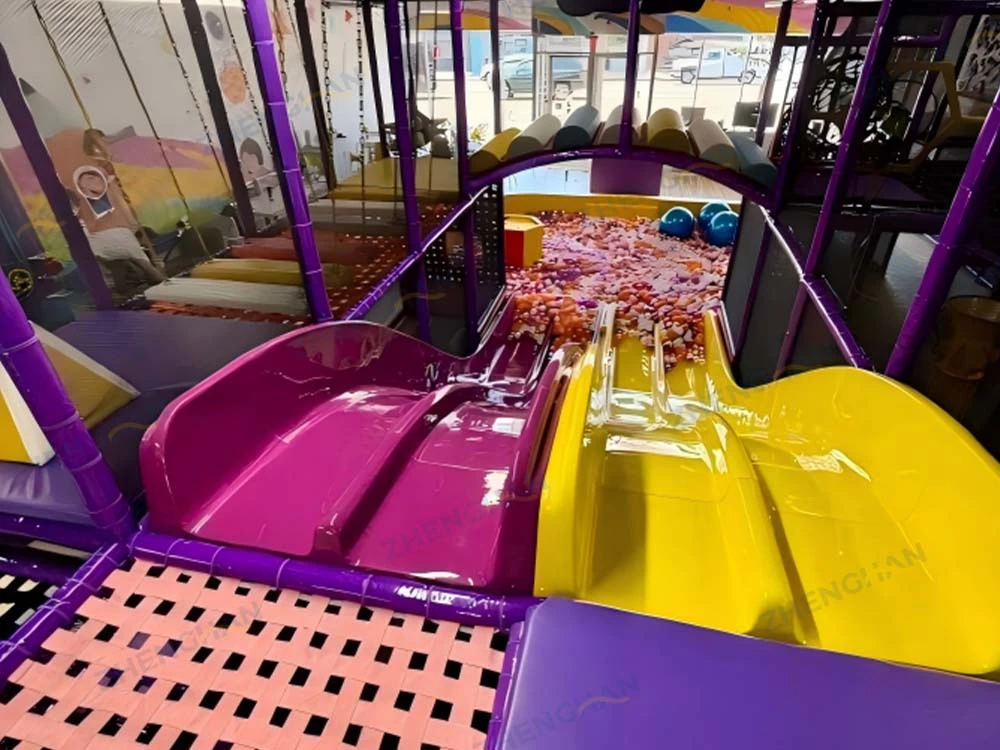
Fun Play World Kids Indoor Playground operates at 10672 West Pico Blvd, Los Angeles, CA 90064. Its public website promotes open play, birthday parties, bookings, electronic waivers, and gift vouchers. Public images show children’s slides, a ball pit, and themed indoor play areas.
The case helps illustrate the permit questions without claiming access to its approval record. The address determines the relevant zoning, business-license, building, and fire authorities. The play structure must coordinate with exits, building systems, and circulation. Open play and parties can create different arrival patterns and capacity pressure. An electronic waiver supports operations but is not a permit.
If a venue adds prepared food, alcohol, drop-off care, or a new attraction, it should recheck the related permit, insurance, and building implications. This article does not state Fun Play World’s floor area, investment, permit history, approval results, revenue, or equipment supplier.
13. Assign Responsibility for Every Document
- Propietario u operador: entity registration, lease, local advisers, permits, insurance, and operations.
- Landlord: existing building records and landlord work defined in the lease.
- Arquitecto o ingeniero local: use, occupancy, occupant load, structure, accessibility, and locally signed documents.
- Fire and MEP team: sprinklers, alarms, HVAC, electrical systems, and egress coordination.
- Fabricante: custom layout, product, material, installation, and maintenance information.
- Instalador: installation to final drawings and records of field changes.
- Asesor de seguros: underwriting based on the address, activities, customers, and operating plan.
- AHJ: review, inspection, approval, and enforcement within its authority.
“Turnkey” does not mean an overseas manufacturer replaces U.S. licensed professionals or government agencies. Create a matrix naming who prepares, signs, submits, reviews, and follows up on each item.
14. Follow the Correct Permit Sequence
- Define the city, business model, capacity, and attraction list.
- Screen candidate addresses with zoning.
- Collect the current Certificate of Occupancy and building records.
- Ask local professionals to evaluate use, occupancy, and major upgrades.
- Address approval contingencies and landlord work in the lease.
- Create a preliminary equipment layout.
- Coordinate building, fire, MEP, accessibility, and insurance review.
- Submit the required building, trade, fire, and sign applications.
- Coordinate permitted construction with equipment production.
- Complete required progress inspections before work is concealed.
- Install equipment and document field adjustments.
- Complete final building, fire, health, and other inspections.
- Obtain the required occupancy and business approvals.
- Finish equipment checks, insurance confirmation, and staff training.
- Use a soft opening to test capacity, supervision, cleaning, and emergency procedures.
A permit often authorizes work; an inspection verifies the work or premises; and occupancy and business approvals address final use and operation. The exact order must follow local instructions.
15. Questions to Ask Local Authorities
- Is indoor recreation or children’s entertainment allowed at this address?
- What use and occupancy classifications apply?
- Is zoning clearance, conditional use, or a hearing required?
- Does the existing Certificate of Occupancy remain valid?
- Is there a change of use or occupancy?
- Which department is the lead AHJ?
- Which building, electrical, mechanical, plumbing, fire, and sign permits are required?
- Which drawings must be signed by a state-licensed professional?
- What progress and final inspections are required?
- Do food, alcohol, child care, or additional attractions need separate approvals?
- Which final documents must be issued before opening?
Record the agency, contact, date, and response. Early verbal guidance can screen a property, but obtain formal written decisions for critical use and approval questions.
Envía tu plano para recibir asesoría sobre el proyecto
If you are planning an indoor playground in the United States, share the state, city, address, floor plan, dimensions, clear heights, columns, entrances, fire exits, target ages, expected capacity, and complete attraction list. Also identify food, parties, child care, trampolines, or other additional activities.
ZHENGHAN can use the actual site information to discuss an initial equipment layout and project-document direction for coordination with your U.S. permit, building, fire, and insurance teams.
Envía tu plano para recibir asesoría sobre el proyecto
Preguntas frecuentes
Is there one nationwide indoor playground license in the USA?
No. Registration, business licensing, zoning, building permits, fire review, health approval, and Certificates of Occupancy depend on the state, county, city, building, and activities. Start with the exact address and complete attraction list.
What permits should be checked before signing a lease?
Check zoning and permitted use, the current Certificate of Occupancy, possible change of use, occupancy classification, major building and fire upgrades, parking and sign restrictions, and a lease exit if essential approvals cannot be obtained.
Is ASTM F1918 the same as a Building Permit?
No. ASTM F1918 addresses soft-contained play equipment. A Building Permit is issued by the local authority for the building and construction scope. Equipment documents can support review but do not replace building, fire, occupancy, or accessibility requirements.
Does a play café need a food-service permit?
It may. Requirements depend on the location and whether the venue sells sealed items, prepares drinks, cooks food, or operates a kitchen. Consult the health department before designing plumbing, ventilation, storage, and food-preparation areas.
Does an indoor playground need a child-care license?
Parent-supervised open play may not be regulated like drop-off care. If parents can leave or the venue provides camps, after-school care, or extended supervision, ask the state or local child-care agency whether licensing or a specific exemption applies.
 English
  Spanish
  Arabic