
If you are researching exactly how to open a trampoline park, this 2026 Ultimate Guide will provide you with a clear, factory-level roadmap built on real manufacturing data.
I am a source factory manufacturer. For the last 15 years, I have been dealing directly with overseas B2B clients, manufacturing commercial indoor amusement equipment, and managing cross-border trade. My team and I spend our days managing raw steel supplies, testing high-density foam, and coordinating international shipping containers for buyers worldwide. I speak with investors and business owners daily. I have seen exactly what helps a family entertainment center thrive as a highly profitable regional destination, and I have seen the common operational oversights that cause unnecessary financial strain before the doors even open.
Opening a commercial jump center requires much more than simply picking out colorful equipment. It is a substantial commercial real estate investment. Your success depends on maximizing your floor space monetization, ensuring strict safety compliance, and executing careful operational planning.
Here is my practical, step-by-step guide to building a safe, profitable, and operationally efficient trampoline park. This guide is built purely on real factory data and 15 years of cross-border industry experience.
1. Market Planning: The All-Age Business Model
Many new investors assume a trampoline park is only for teenagers. Relying strictly on a teenage demographic is an oversight that limits your cash flow. You need a broader demographic to maintain healthy, consistent revenue throughout the entire week.
Targeting Multiple Demographics Teenagers typically visit on Friday nights and weekends. To fill your park on a Tuesday morning, you need to attract toddlers and their parents. To generate large lump-sum payments on Saturday mornings, you need parents booking birthday parties for young children. You must engineer your layout to serve all age groups safely. You need a dedicated, physically fenced-off toddler zone. You need a mid-tier zone for school-age kids. Finally, you need a high-performance zone for teenagers and adults. If you mix these groups on the same court, larger jumpers can accidentally injure smaller children. Proper segmentation prevents safety liabilities, keeps insurance premiums manageable, and protects your local reputation.
2. Site Selection: Zoning Laws and Ceiling Heights
Finding a vacant commercial building is only the first step. Ensuring the local city government will legally allow you to operate a public amusement facility there is what truly matters.
The Zoning Permit Reality Before you sign a multi-year commercial lease, you must confirm the local zoning regulations. Many large industrial warehouses are zoned strictly for manufacturing or logistics storage. They are often not zoned for “public amusement” or “assembly.” If you sign a lease without securing city approval first, you might be stuck paying rent on a building you cannot legally use. Always add a zoning contingency clause to your lease agreement. This protects your capital while you wait for the city council’s official approval.
The Minimum Clear Height Rule You pay rent based on square footage, but you maximize your revenue by utilizing vertical space. A standard commercial trampoline park requires a minimum of 18 feet (5.5 meters) of clear ceiling height. If you want to install premium attractions like elevated ninja courses or raised jump platforms, you need 22 to 25 feet (6.5 to 7.5 meters) of clearance. Always look up before you sign the lease. Low-hanging HVAC ducts, structural crossbeams, and fire sprinkler pipes dictate your actual usable height. You must maintain a safe distance between the maximum bounce height and any ceiling fixtures.
3. Park Layout & Designing Functional Zones
Modern customers expect more than just a room full of flat trampolines. To increase customer retention and dwell time, you need interactive, high-value attractions.
Core Functional Area Design
- Main Jump Court: The core jumping area, typically consisting of interconnected flat mats and inclined wall trampolines. It handles the highest volume of casual traffic.
- Dodgeball Arena: Enclosed by thick protective netting. This area is primarily for group bookings, team building, and corporate events. It drives heavy weekend volume.
- Slam Dunk Lanes: A long trampoline track leads to basketball hoops positioned at different heights. This allows jumpers of all ages to experience a professional-style dunk.
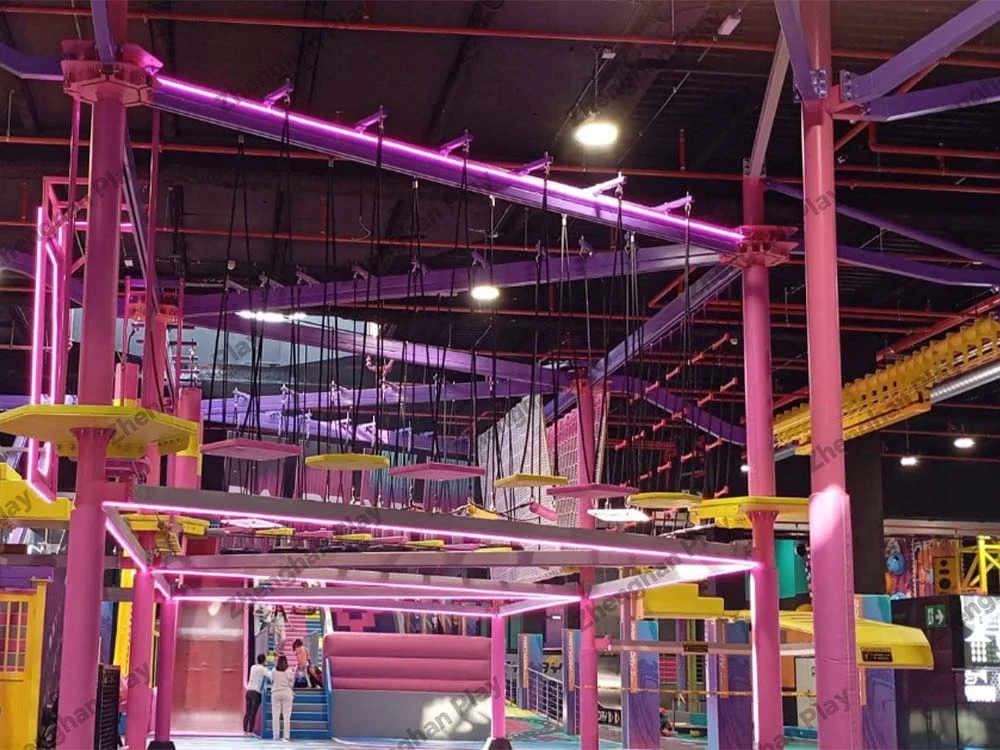
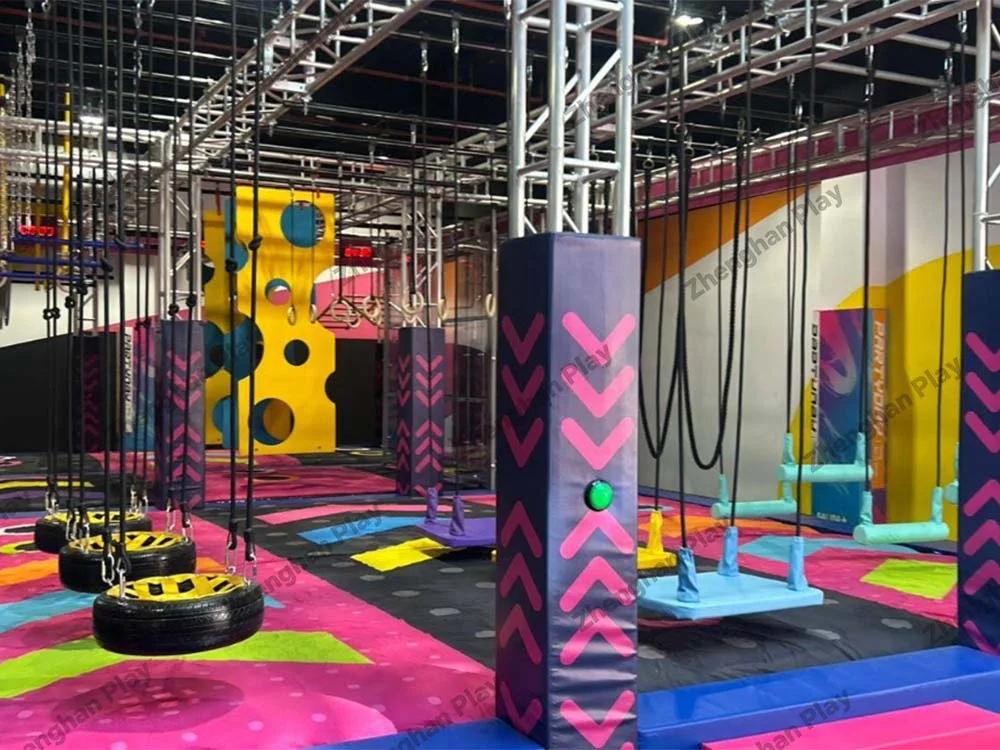
- Ninja Warrior Obstacle Course: A special obstacle course suspended over thick, high-density landing mats. It attracts older, more competitive groups and adds excellent visual appeal to your park.
- Interactive AR Jump Zones (Gamification): We integrate sensor screens directly into the jump walls. Jumpers use their bodies as video game controllers to smash targets on the screen. This drastically increases dwell time because kids get highly engaged in beating their top scores.
- The Mechanical Wipeout (Sweeper): A padded rotating mechanical arm sweeps in a circle while up to eight jumpers try to time their jumps to avoid being knocked over. This creates intense, hilarious competition and is an absolute magnet for viral social media videos.
- High-Performance Olympic Zone: This section is strictly for advanced athletes, parkour enthusiasts, and older teenagers. It uses heavy-duty, high-tension springs and specialized performance mats that provide extreme bounce heights. You must fence this off from casual jumpers to avoid accidents.
4. Sourcing Equipment: Avoiding the Used Equipment Trap
Managing startup capital is important, but trying to cut corners on your core infrastructure creates unnecessary risk.
When you prepare to buy trampoline park equipment , you may find used parks listed for sale online. I highly recommend buying new, custom-engineered equipment direct from a manufacturer instead.
The Hidden Risks of Used Gear Used trampoline frames often suffer from metal fatigue. The carbon steel springs may be permanently stretched, losing their necessary tensile strength. The PVC padding has endured years of wear, tear, and sweat. More importantly, safety standards are very specific to trampolines and evolve rapidly. A park structure built five years ago will likely fail the current ASTM F2970 or PAS 5000 safety standards. If you install non-compliant used equipment, the fire marshal may deny your operating permit, and reputable insurance underwriters will refuse to provide coverage. Operating without proper liability insurance is a massive financial risk. Investing in new, certified equipment secures your legal compliance.
5. Factory Manufacturing Standards: The Raw Specifications
You need to know exactly what materials you are paying for. A reliable manufacturer is completely transparent about their steel, springs, and safety padding.
The Steel Skeleton Specifications Your main structural frame must be built using hot-dip galvanized steel pipes to prevent rust from the inside out. Ensure the steel features a minimum wall thickness of 2.5mm. Thinner steel can easily bend or warp under the constant dynamic load of a hundred jumping customers. We carefully weigh the steel in our factory to ensure it meets these heavy-duty specifications.
Commercial Springs and Mats Standard residential trampoline springs are not suitable for commercial use. Commercial parks require high-tensile piano wire steel springs with a specialized rust-proof coating. The jump mats should be manufactured using imported, commercial-grade woven polypropylene material. This specific fabric is highly UV-resistant, tear-resistant, and tightly woven to prevent runs if it is accidentally punctured by a sharp object.
Fire Retardant Safety Padding The safety padding that covers the steel frame and springs is a critical safety barrier. It must consist of thick, high-density EPE foam tightly wrapped in 0.55mm commercial-grade PVC leather. This PVC material must carry physical TUV or SGS laboratory certificates proving it is flame-retardant according to strict commercial building codes.
Partnering directly with a verified indoor playground equipment supplier allows you to control these raw material specifications. You can request live video tours of the factory floor and ask for physical material samples before placing your final order.
6. The Real Timeline and Ocean Freight Logistics
Proper scheduling is crucial. Do not announce a firm grand opening date until your equipment has cleared your local customs port.
The Manufacturing and Shipping Timeline
- Design & Layout: 1 to 2 weeks. Every structural pillar in your leased building must be accurately measured.
- Manufacturing: 40 to 80 days. Cutting, welding, and powder-coating massive steel frames takes precise coordination.
- Ocean Freight: 30 to 50 days, depending on your destination port and current shipping routes.
- Customs Clearance: 1 to 2 weeks.
- Installation: 30 to 60 days, depending on the scale of the facility.
Receiving the Ocean Container When your ocean container arrives at your facility’s loading dock, you have a limited time window to unload it before the trucking company applies hourly detention fees. You must rent a forklift and several pallet jacks in advance. Ensure you have a physically capable team ready to safely unload heavy steel pipes, heavy boxes of springs, and large rolls of safety padding. Plan this logistical step carefully to avoid costly delays.
7. The Step-by-Step Installation Process
Installing a commercial trampoline park is a complex engineering task. The structure must manage constant kinetic energy safely.
- Level the Base Foundation: If your concrete floor is naturally uneven, the steel grid will warp over time. Use heavy-duty steel shims under the base plates to ensure everything is perfectly level.
- Anchor to the Floor: Every vertical support leg must be securely anchored deep into your commercial concrete floor using industrial expansion bolts.
- Assemble the Steel Grid: Connect the horizontal frames to the vertical legs. We use precision-cut, heavy-duty cast iron connectors. Tighten all bolts to the specific torque requirements provided by the factory.
- Install the Mats and Springs: This requires specialized spring puller tools and significant physical effort. The installation team must ensure the spring tension is perfectly balanced across each individual jump mat.
- Secure the Safety Padding: The PVC safety pads must be strapped down tightly over the springs and steel frames. If a pad slips during operation, it creates a dangerous gap.
- Hang the Safety Netting: The protective safety netting must be stretched tight and secured with heavy-duty zip ties every 10 centimeters. Ensure the tails of the zip ties are cut completely flush so they leave no sharp edges.
8. Cost Structure and Revenue Streams
Understanding your total capital expenditure (CapEx) and operational revenue is the key to building a sustainable business model.
The True Capital Expenditure Your initial budget must comfortably cover:
- Equipment manufacturing and ocean freight shipping.
- Import duties and local port taxes.
- Professional installation labor and equipment rentals (forklifts, scissor lifts).
- Site renovation (HVAC upgrades, ambient lighting, ADA-compliant restrooms).
- Cafe and kitchen build-out.
- Point of Sale (POS) software systems and digital waiver kiosks.
- Six months of operating working capital to cover early rent and payroll.
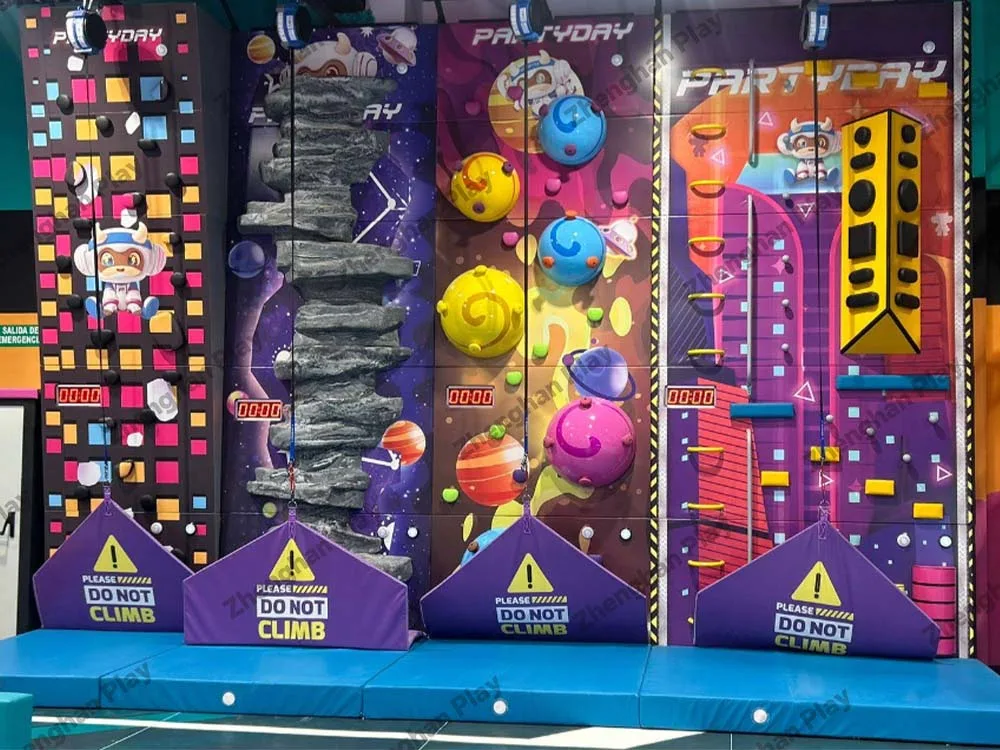
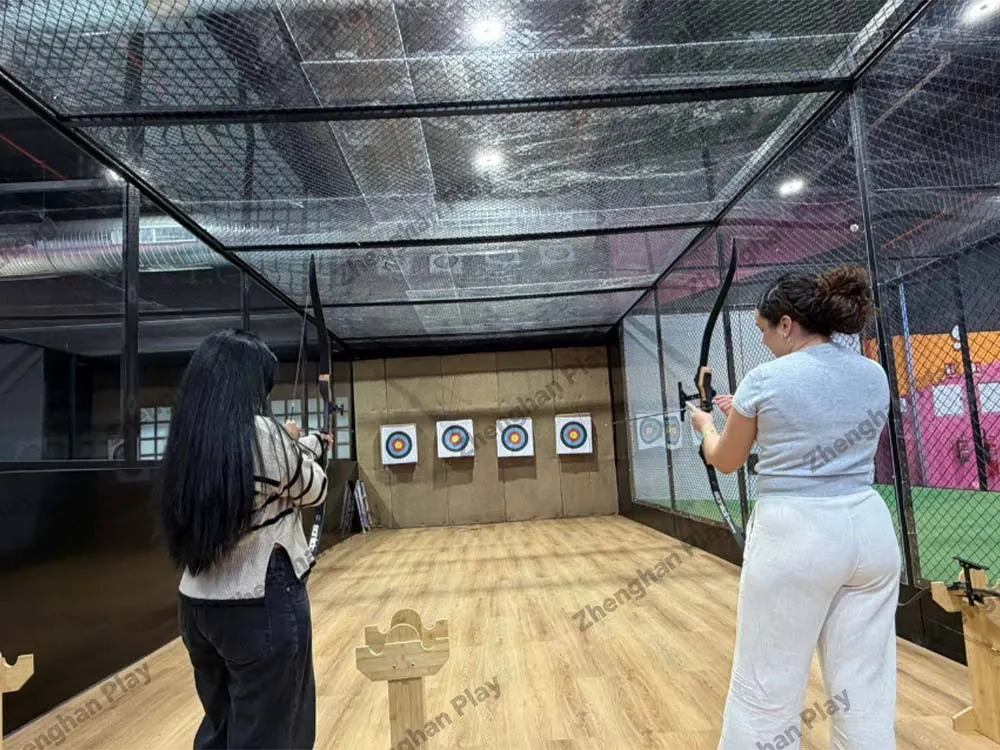
Maximizing Your Revenue Streams You need multiple income sources beyond standard hourly jump tickets to maximize profitability.
- Grip Socks: Mandate that every jumper wears your branded grip socks for safety and hygiene. You purchase them from the factory at a low cost and sell them at a retail markup. This provides a highly consistent profit margin.
- Birthday Packages: This is the most lucrative part of the family entertainment business. Parents gladly pay premium prices for a private party room, food packages, and a dedicated host to manage the children.
- Cafe Sales: Offer high-margin items like pizza, bottled water, and premium coffee for the parents who are waiting for their children.
- Memberships: Sell monthly recurring subscriptions to ensure steady cash flow during slower seasonal periods or weekdays.
9. Operations, Insurance, and Risk Management
Operating a public amusement facility means managing risks proactively and safely.
Managing Insurance Requirements Your liability insurance premium will be a major fixed cost. Underwriters will require proof that your equipment meets ASTM F2970 compliance certificates specifically designed for commercial trampoline courts. They will also want to review your daily inspection logs. You must ensure that every single participant (or their legal guardian) signs a digital waiver before entering the jump zone. Use a reliable POS system that securely stores these waivers in the cloud.
Daily Maintenance Inspections You must train your management team to walk the entire grid every single morning before opening. They need to check for snapped springs, torn jump mats, shifting safety pads, and broken zip ties on the netting. If a spring is snapped, replace it immediately. If one spring fails, the structural load transfers to the adjacent springs, which can cause a chain reaction of failures. Keep detailed, written logs of these daily inspections to demonstrate operational diligence to your insurance provider.
10. Sales-Grade FAQ & Objection Handling
Q: Do I need a permit to open a trampoline park in an existing warehouse? Yes. You must secure commercial building and fire permits before construction begins. My Experience: I had a client assume their standard retail permit covered a trampoline park. After building the frame, the fire marshal inspected the site, requested the equipment’s structural safety certificates, and determined the building’s sprinkler system was too low for the bounce height. The city required a costly sprinkler renovation before granting the permit. Always secure local municipal approval and understand the building codes before signing a lease.
Q: Can I buy used trampoline park equipment to lower my initial startup costs? I do not recommend it. Used equipment carries hidden liabilities and can complicate insurance approvals. My Experience: Investors occasionally try to buy out closed parks to save capital. They often realize too late that the steel joints are fatigued, the PVC is deteriorating, and the old specifications do not meet modern 2026 ASTM F2970 safety standards. When they contact insurance companies, underwriters are often reluctant to write policies on uncertified, second-hand gear. Purchasing new, custom-engineered equipment directly from the factory is the safest route for compliance.
Q: Will a small 3,000 square foot building generate high profits? Rarely. A space that small severely limits your maximum capacity and revenue potential. My Experience: Trampoline parks operate on volume. Due to strict safety distance rules on trampoline courts, a 3,000 sq ft space can only safely accommodate a limited number of jumpers at a time. After paying for management, insurance, utilities, and rent, the profit margin remains very tight. To build a standalone, highly profitable park, I advise clients to aim for an absolute minimum of 10,000 to 15,000 square feet to allow for proper functional zoning.
Q: Can my local residential handyman install the steel frame? Only if they possess commercial structural experience and follow the factory blueprints flawlessly. Improper installation compromises the safety of the entire structure. My Experience: Trampoline frames must manage dynamic kinetic energy safely. Local residential contractors sometimes overlook specific torque specifications on the bolts or fail to anchor the legs into the concrete deeply enough. As a source factory, we supply detailed 3D blueprints and video installation guides. If you are unsure about your local crew, it is best to hire a professional commercial installation team, or request a factory supervisor to guide your local labor.
 English
  Spanish
  Arabic