
If you are researching how to open an indoor playground in Canada, start with one fact: there is no single permit checklist that works for every province, municipality, building, and attraction. A soft-play center, trampoline park, climbing venue, and family entertainment center with mechanical rides may follow different approval paths.
That changes the order of your decisions. Begin with the city, business model, target age group, building conditions, and attraction mix—not a theme, equipment price, or unconditional lease. Ask the relevant planning, building, fire, health, technical safety, and insurance professionals to review the concept before detailed design and purchasing.
This national framework covers independent playgrounds, family entertainment centers, trampoline parks, mall play areas, schools, and daycare projects. It does not replace advice from the authorities and qualified professionals responsible for your location.
1. Define Your Business Model and Project Scope
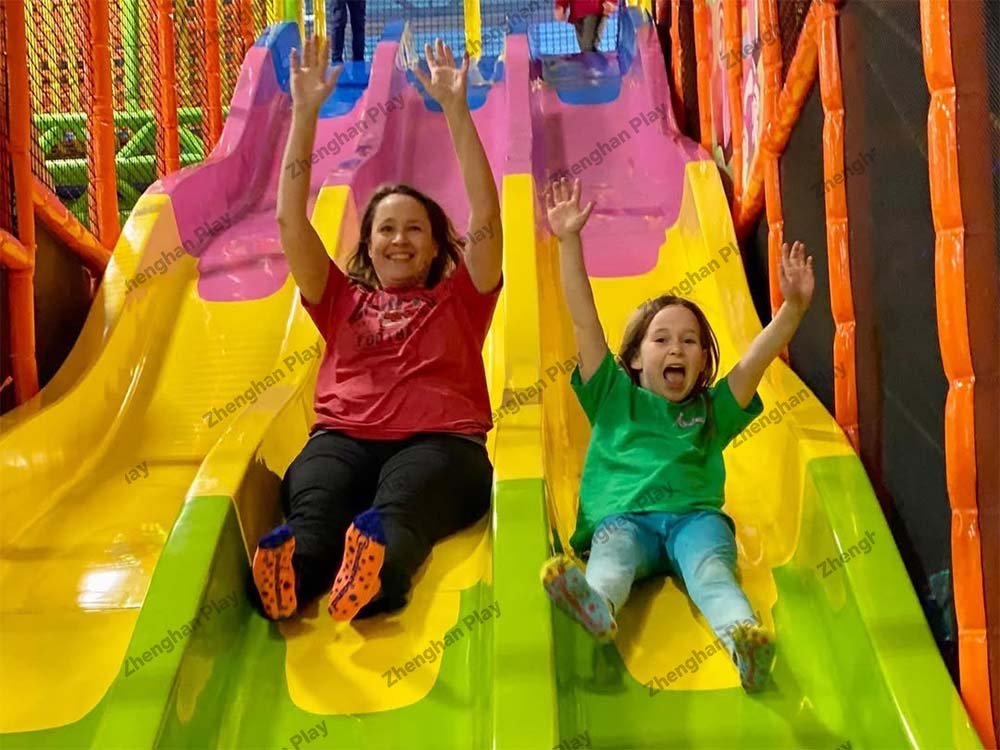
“Indoor playground” can describe very different businesses. An independent venue may rely on tickets, parties, memberships, food, and retail. A mall or café may use play to increase family visits and dwell time. Schools and daycare facilities place greater emphasis on age suitability, supervision, cleaning, and daily use.
Define the project before comparing properties. Who are the primary users? How many guests do you expect at one time? Will you charge admission? Will the venue include party rooms, a café, or a parent seating area? Are you planning soft play only, or will you add trampolines, climbing walls, ninja obstacles, zip lines, or powered attractions?
Those choices affect floor area, clear height, circulation, staffing, insurance, and regulatory review. Separate toddlers from older children and higher-energy attractions from calmer areas. A wider mix can broaden demand, but more equipment is not automatically a better business model.
2. Validate Local Demand and Build a Real Business Plan
National industry trends can provide context, but they cannot prove that one neighborhood needs another play center. Research the family population, children’s age ranges, household income, schools, daycare facilities, parking patterns, weekend traffic, and competing attractions within a realistic drive time.
Look beyond competitor ticket prices. Compare age groups, party offerings, parent seating, food, peak-time capacity, cleanliness, and recurring complaints. Is the local gap a toddler soft-play center, an all-age family entertainment center, or a venue combining trampolines and challenge attractions?
Use conservative, base, and stronger-demand scenarios. Separate revenue from admissions, parties, memberships, food, and retail. Model rent, renovations, equipment, freight, customs clearance, inland transport, installation, permits, consultants, insurance, payroll, cleaning, maintenance, marketing, and contingency funds.
Here’s the thing: the equipment quotation is not the opening budget. Imported equipment may create costs for ocean freight, port handling, customs brokerage, tax, storage, inland delivery, unloading, local construction, and installation coordination. Delays in permitting or renovations can also affect cash flow. Generic startup figures and payback periods are only rough references; a reliable model must use your city, property, rent, floor area, and attraction mix.
3. Complete Property Due Diligence Before Signing a Lease
One of the most expensive mistakes is leasing a building that cannot be approved or economically adapted for the planned use. A landlord’s brochure may help you screen a property, but it does not replace site measurements, code review, or professional due diligence.
Confirm whether local zoning allows the proposed entertainment, commercial, educational, or childcare activity. Ask whether the existing occupancy classification is suitable or whether a change of use is required. Review how the expected occupant load may affect exits, washrooms, fire protection, accessibility, and occupancy approval.
Canada’s national model codes do not automatically apply as law everywhere. They take effect through adoption by provincial, territorial, or other authorities, often with local changes. The National Research Council of Canada advises users to confirm the applicable code and regulations with the appropriate provincial or territorial official.
Measure the usable building, not just the advertised shell. Record the length, width, finished-floor-to-obstruction height, beams, columns, HVAC ducts, lights, sprinklers, electrical equipment, entrances, and fire exits. For multilevel play structures, trampolines, climbing attractions, or zip lines, the critical dimension is the lowest obstruction above the equipment zone—not the highest ceiling point shown in the leasing package.
Review floor and structural conditions, anchoring, exits, emergency lighting, accessibility, washrooms, parking, noise, and any food-service utilities. Before accepting an unconditional lease, ask a qualified adviser whether it should include zoning, permit, financing, or due-diligence conditions.
4. Build a Location-Specific Permit and Registration List
Select an ownership structure and complete the registrations that apply. These may include a Business Number and CRA accounts for GST/HST and payroll. For most businesses, the small-supplier threshold is generally CAD 30,000 in taxable supplies, although timing rules vary. Check the current CRA GST/HST registration guidance with your accountant.
Create separate federal, provincial or territorial, and municipal checklists. The Government of Canada’s BizPaL permit and licence search can generate a starting list based on the business location and activities. Treat that result as a starting point, then confirm it with each responsible authority.
Depending on the project, reviews may cover zoning, building or renovation permits, fire safety, occupancy, signs, a local business licence, and public health. Selling or preparing food can add food-premises approvals, facility requirements, and staff training. A school, daycare, or regulated childcare operation may have obligations beyond those of an admission-based play center, so the two models should not share an unverified permit checklist.
5. Confirm the Regulatory Path for Every Attraction
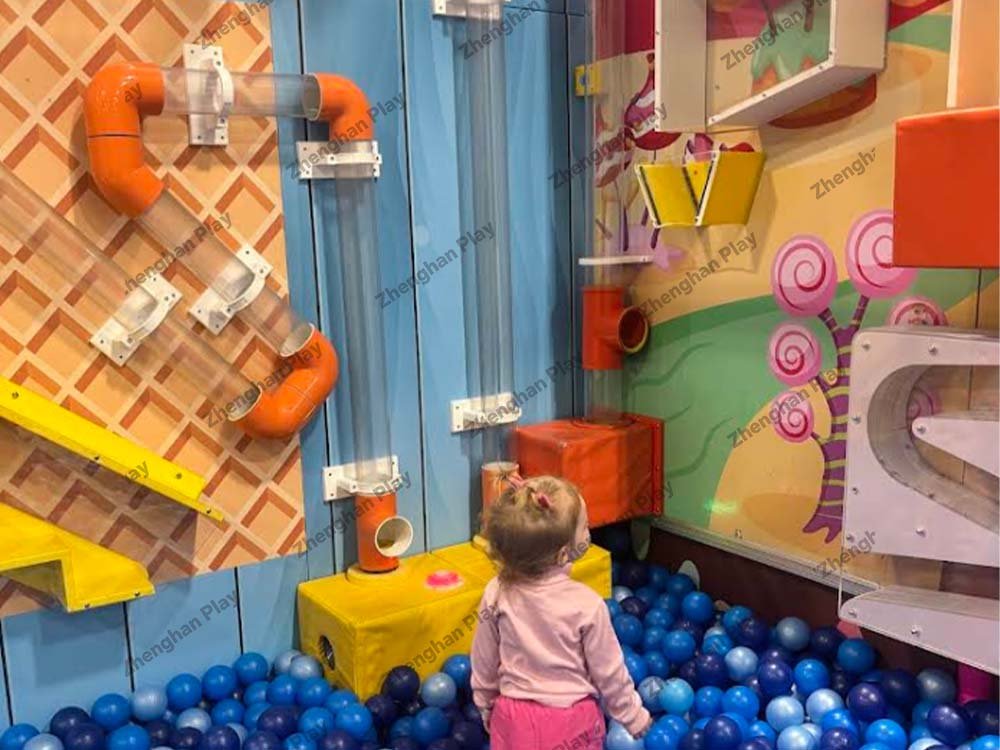
Soft indoor play structures. Review the standards and local requirements that apply to the intended ages and use. Key issues include materials, structural stability, entrapment protection, fall zones, impact-attenuating surfacing, access points, age separation, installation, inspection, and maintenance. Soft padding does not remove building, fire, accessibility, or insurance obligations.
Trampoline areas. Ask the provincial regulator whether the planned trampoline courts or related features are classified as amusement devices and what design, installation, operational, inspection, and incident-reporting requirements apply. Do not assume that a decision made for a soft-play structure also covers a trampoline zone.
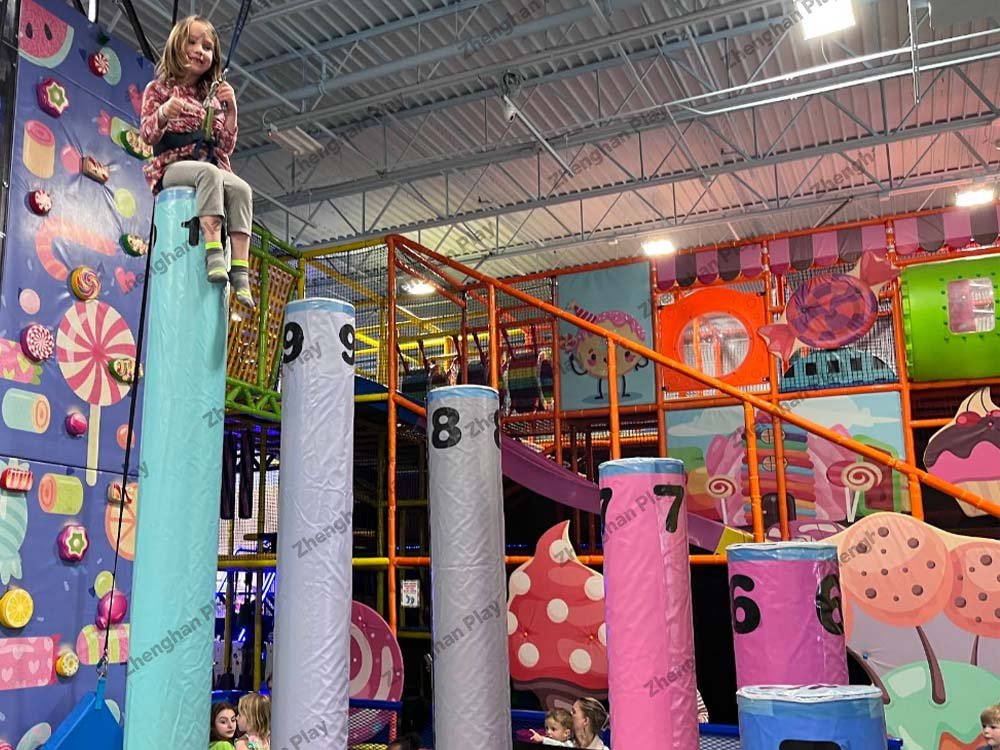
Climbing, ninja, and zip-line attractions. These features may require special attention to fall protection, clearances, rescue procedures, user restrictions, and staff supervision. Their classification may depend on height, operating method, and design—not simply the marketing name used by the supplier.
Powered or mechanical attractions. These can trigger design registration, installation permits, operating permits, professional review, or periodic inspection. In Ontario, the Technical Standards and Safety Authority explains which amusement devices it regulates and which devices may be exempt. In British Columbia, Technical Safety BC publishes information about regulated amusement devices, licences, installation permits, operating permits, and design registration.
A national standard may also be relevant without being the only requirement. For example, CSA Z614:20 addresses public-use playground equipment and surfacing for children within its stated scope. The authority having jurisdiction, the project designer, and the insurer should confirm whether and how it applies to your venue. Every attraction should be listed early so the project team can identify its correct regulatory path before the layout is finalized.
6. Compare Equipment Suppliers by Documentation and Support
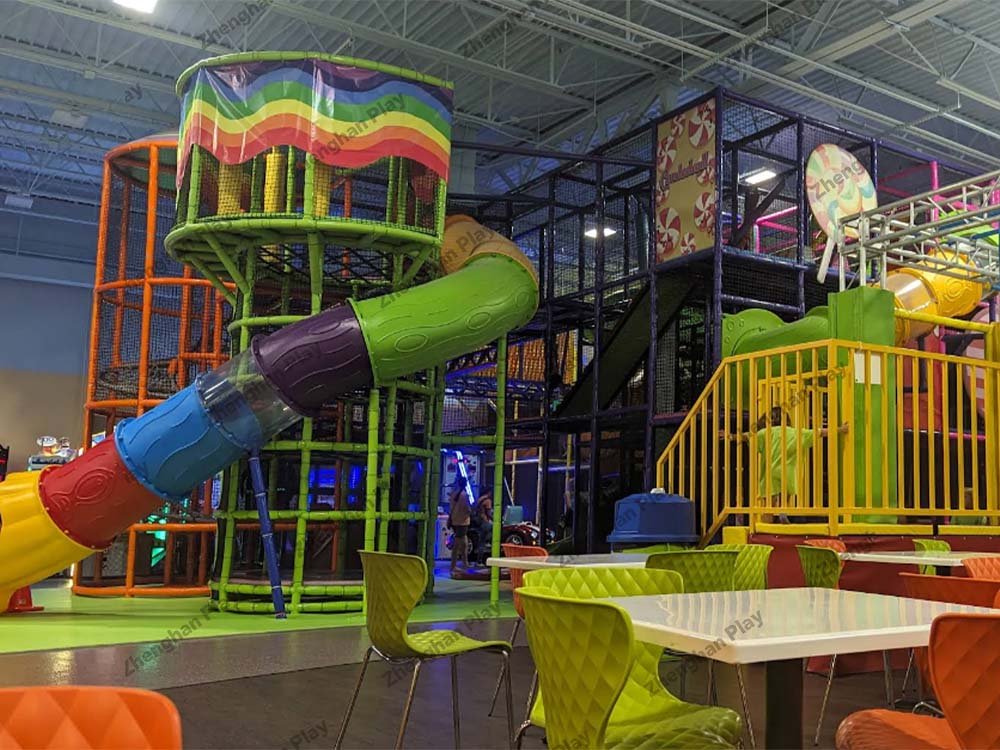
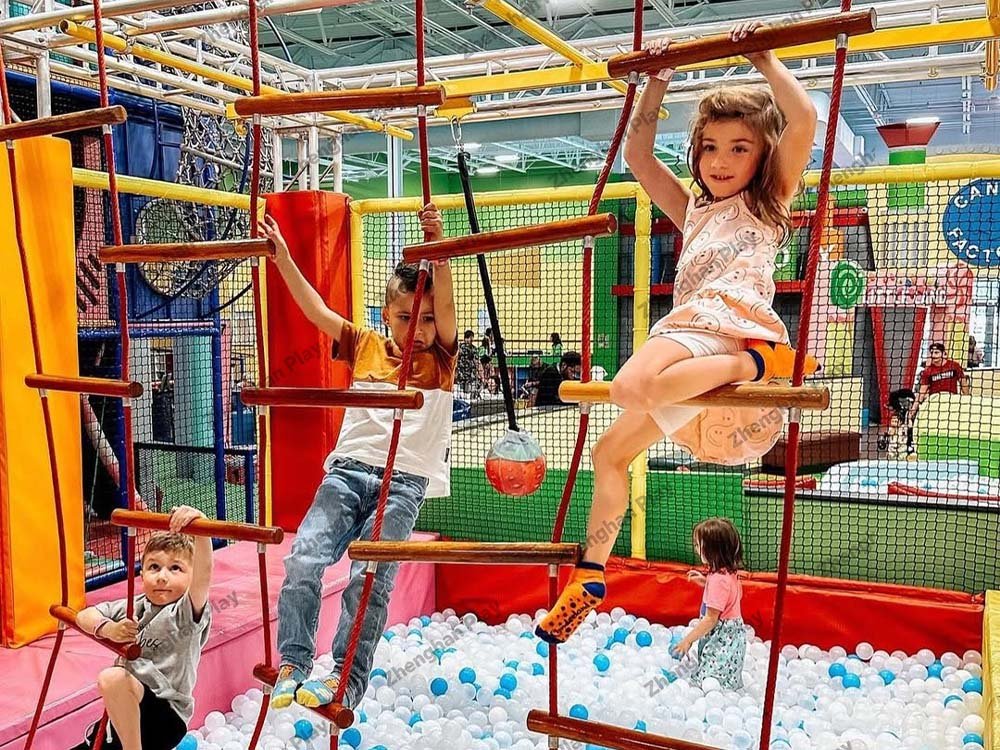
Once the property and likely approval path are understood, supplier comparisons become more meaningful. When selecting indoor commercial playground equipment, ask the manufacturer to design around verified columns, exits, HVAC, target ages, circulation, and supervision needs. A standard package that ignores the building can create expensive changes during installation.
Evaluate structural and material information, layout drawings, installation drawings, applicable standards, testing or conformity documents, packing lists, installation manuals, inspection and maintenance requirements, wear parts, spare parts, warranty terms, and after-sales support. When comparing trampoline manufacturers, also review the frame system, springs or elastic elements, pads, nets, connections between activity zones, and the supplier’s ability to support project documentation.
ZHENGHAN can provide layout and structural information, material information, testing documents, installation manuals, maintenance checklists, and installation guidance. TÜV laboratory-issued conformity documentation is available for applicable trampoline and indoor playground products. Buyers should review the standard, product model, testing scope, issuing entity, and validity stated in each document to confirm that it covers the equipment being purchased.
With Canadian project experience and global project support, ZHENGHAN can assist from site requirements and custom layout through design, production, shipping, installation guidance, and after-sales support. Equipment is only one part of a Canadian project. The supplier must also prepare clear design and technical information, then coordinate production and shipping with the local construction schedule. That reduces the risk of redesigning the layout or chasing missing documents after the equipment arrives.
7. Canadian Project: HANABABY Adventure World
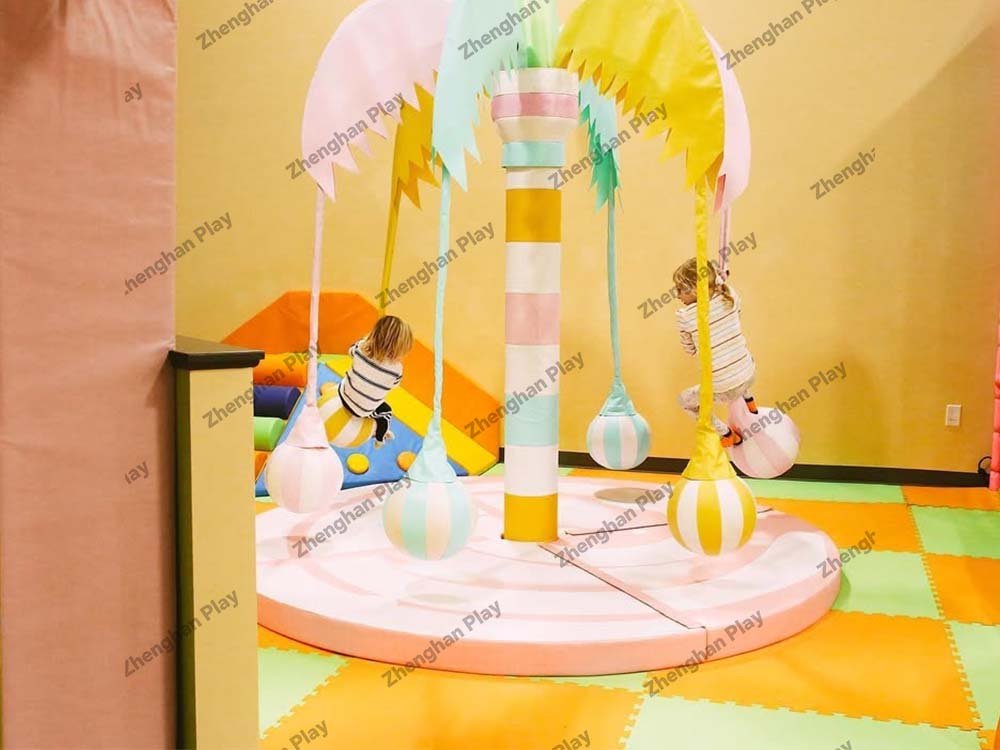
ZHENGHAN’s Canadian project experience includes HANABABY Adventure World, a 600-square-meter indoor family play venue inside Royal City Centre at 610 6th St #251, 2nd floor, New Westminster, BC V3L 3C1, Canada. The mall setting shows why equipment should be designed around a real commercial property rather than a generic footprint.
For a second-floor mall project, early planning should cover usable height, columns, exits, accessible routes, floor and anchoring conditions, the equipment delivery path, and mall operating requirements. Sharing those site details before layout design helps the manufacturer coordinate the play system with the building and the local project team.
8. Put Approval, Design, Production, and Shipping on One Schedule
An opening schedule should not be based only on factory production time. It may include property due diligence, design, authority review, permits, production, construction, shipping, customs clearance, delivery, installation, inspection, staff training, and a soft opening. Many tasks depend on each other.
Start with an accurate site plan and concept layout. Ask local professionals to review use, egress, clear height, accessibility, fire protection, and attraction classification. Production may overlap with selected construction activities after the critical approval risks are understood. Producing too early can leave finished equipment waiting at the port or in storage while the building remains unavailable.
Confirm trade terms, packing, importer responsibilities, customs documents, inland delivery, unloading, and temporary storage. Large plastic components, steel structures, and soft-play parts require a receiving plan. If construction is incomplete, extra handling increases cost and damage risk.
9. Install, Inspect, Insure, and Prepare to Operate
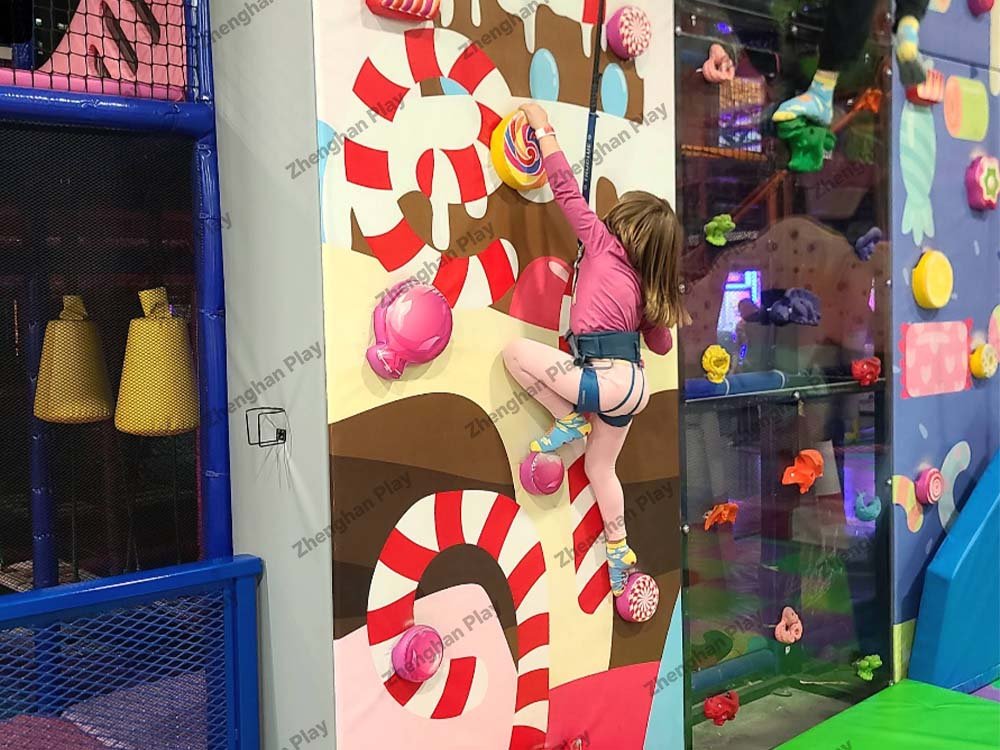
Use an installation team that can follow the drawings, anchoring methods, and safety requirements. Keep installation records, correction lists, and final inspection results. For specialized or regulated attractions, confirm whether the province requires a licensed contractor, engineering sign-off, or inspection by a technical safety authority.
Opening preparation also includes daily checks, planned maintenance, cleaning, capacity control, age and height rules, staff supervision, emergency evacuation, incident records, and a clear process for taking damaged equipment out of service. Train staff on the actual attraction mix rather than relying on a generic handbook.
Commercial general liability and property insurance are central to the project, but higher-risk attractions may change underwriting requirements. Tell the broker about every trampoline, climbing feature, zip line, foam pit, airbag, and powered attraction. A standard commercial policy should never be assumed to cover activities that were not disclosed.
Run a soft opening before a major launch campaign. Test admissions, wristbands or ticketing, party-room turnover, staff sightlines, parent seating, cleaning routines, emergency communication, and peak capacity. Fix operational friction and safety issues before increasing attendance.
10. A Practical Opening Sequence for Canada
- Choose the city, target customers, business model, and attraction mix.
- Research local families, competitors, pricing, property costs, and demand.
- Build a full project budget that extends beyond equipment.
- Shortlist properties and obtain accurate plans, heights, and site details.
- Complete preliminary zoning, building, fire, and attraction-classification checks before accepting an unconditional lease.
- Develop the equipment layout and required documentation around the approved site conditions.
- Verify the supplier’s material, testing, installation, maintenance, warranty, and support information.
- Coordinate production, construction, freight, customs clearance, delivery, and installation.
- Complete inspections, insurance confirmation, staff training, and operating procedures.
- Use a soft opening to correct issues before the full public launch.
Opening an indoor playground in Canada is not simply an equipment purchase. It combines business planning, commercial real estate, local approvals, play safety, cross-border logistics, installation, and long-term operations. A disciplined sequence matters more than placing the fastest order.
If you have a potential property, send your floor plan for project advice. Include the length, width, usable clear height, columns, entrances, fire exits, city, target ages, and planned attractions. ZHENGHAN can use those details to prepare an initial layout and equipment-planning direction.
FAQ
How much does it cost to open an indoor playground in Canada?
A reliable budget depends on the city, rent, building, floor area, capacity, and attraction mix. Include the lease, design, renovations, equipment, freight, customs clearance, inland delivery, installation, permits, consultants, insurance, staffing, marketing, software, and maintenance reserves. Trampolines, climbing attractions, zip lines, or mechanical devices may add engineering, inspection, training, and insurance costs. Build a site-specific budget before selecting equipment, then test cash flow under conservative attendance assumptions.
What permits are required for an indoor playground in Canada?
Requirements vary by province, municipality, building, and activity. Common checks include zoning, a change of use, building or renovation permits, fire review, occupancy, signs, a business licence, and public health. Food service, daycare, and regulated amusement devices can add requirements. Use BizPaL for an initial list, then confirm it with local planning, building, fire, health, and technical safety authorities. Another city’s checklist is not approval guidance for your project.
Which Canadian safety standards apply to indoor playground equipment?
The answer depends on the equipment type, intended ages, location, and authority having jurisdiction. Soft-play structures, trampoline courts, and mechanical amusement devices may not follow the same standards or regulatory process. Ask suppliers for product-specific drawings, material information, test or conformity documents, installation instructions, and maintenance requirements. Check the standard edition, product models, test scope, issuing entity, and validity shown on each document. A report covering one product family should not be represented as certification for every item in the venue.
Are trampolines and zip lines regulated differently from soft play?
They can be. Classification may depend on the attraction’s structure, height, power source, operating method, and province. A soft-play structure may be reviewed mainly through playground safety, building, fire, and maintenance requirements. Trampoline courts, zip lines, and mechanical attractions may require design registration, installation or operating permits, specialized inspections, staff training, or incident reporting. Submit the complete attraction list to the local regulator and insurer during concept design, before the lease and equipment order make major changes difficult.
Should I choose a location before contacting an equipment manufacturer?
You can contact a manufacturer during property screening to understand approximate space, height, and equipment needs. Do not approve final design or production without verified site information and preliminary regulatory review. A better approach is to shortlist properties, obtain accurate dimensions and clear heights, ask the manufacturer for a concept layout, and have local professionals review zoning, egress, fire protection, accessibility, and attraction classification. Once the major property and approval risks are understood, the manufacturer can develop a more accurate layout, document list, and quotation.
 English
  Spanish
  Arabic