
A trampoline park USA investment should not begin with one question about equipment price. It should begin with a harder question: can this specific location generate enough paying visits to support rent, payroll, insurance, maintenance, marketing, and the building work required before opening? Equipment is important, but it is only one part of the capital plan.
The United States is not one uniform trampoline park market. A shopping-center location in Washington may perform differently from a converted warehouse in Texas or an urban commercial unit in California. Population, family income, competition, lease terms, parking, clear height, zoning, and local approvals all change from one address to another. The right approach is to underwrite the market and the building together before signing a long lease or ordering equipment.
1. Define the Trampoline Park Business Model First
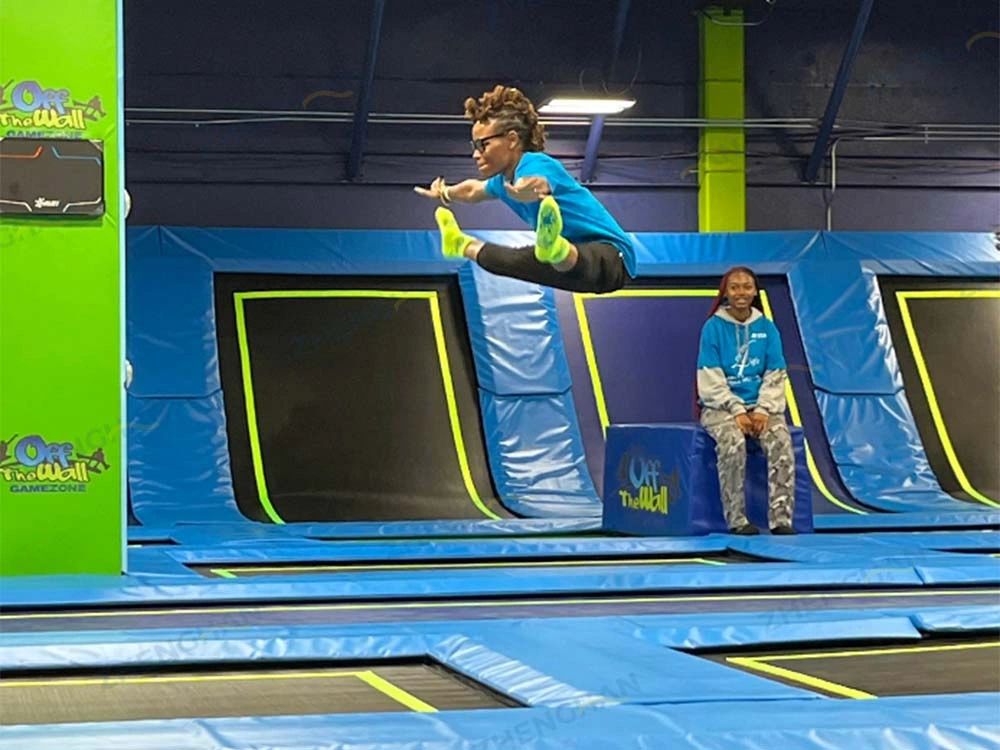
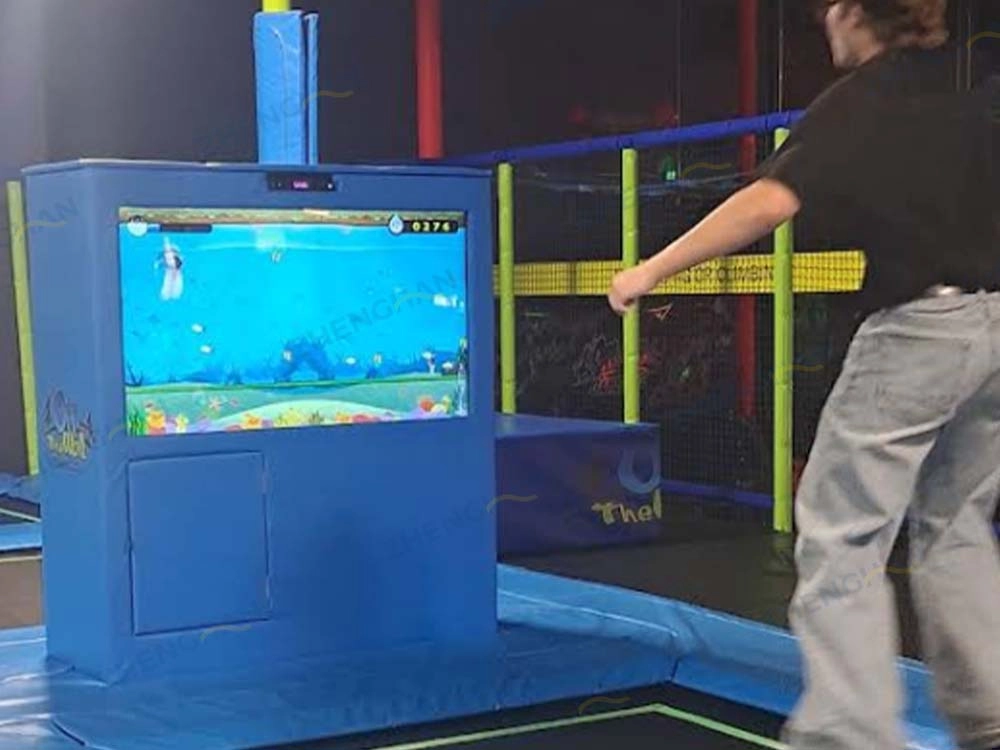
“Trampoline park” can describe several different businesses. A traditional park may focus on open jump, dodgeball, and basketball dunk lanes. An adventure park may add performance trampolines, airbags, ninja challenges, climbing, or ropes activities. A broader family entertainment center may also include a toddler area, party rooms, food service, and parent seating.
More attractions do not automatically produce a better return. Every addition can change:
- Equipment and installation cost
- Required floor area and clear height
- Target age groups and visitor capacity
- Staffing and supervision
- Insurance review and operating rules
- Inspection, maintenance, and spare-part needs
- Ticket, membership, and party pricing
Investors must also choose between an independent concept and a franchise. A franchise may offer brand recognition and operating support, but can include upfront fees, continuing fees, and purchasing requirements. An independent park provides more flexibility while placing more responsibility on the operator.
Before comparing properties, define target ages, main attractions, approximate size, revenue streams, food-service scope, party-room needs, and intended drive-time area. The same building may work for one concept and fail another.
2. Calculate the Complete Startup Investment
Many first-time buyers estimate the project by multiplying an equipment price by floor area. That method can miss the most expensive and unpredictable categories: building improvements and working capital.
Site and Preconstruction Costs
- Lease deposit, initial rent, and legal review
- Architect, engineer, and local consultant fees
- Building, fire, and other permit fees
- Carrying costs during design, approval, and construction
Building and Interior Work
- Demolition, partitions, flooring, front desk, and finishes
- Changes to sprinklers, alarms, lighting, and emergency systems
- HVAC, electrical, and restroom upgrades
- Party rooms, seating, lockers, and food-service areas
- Signage, parking, and accessibility work
Equipment Landed Cost
- Trampoline courts and selected attractions
- Custom design, packing, and spare parts
- Ocean freight, cargo insurance, customs, and inland delivery
- Unloading, temporary storage, installation, and site coordination
- Point-of-sale, access control, lockers, and operating systems
Opening and Working Capital
- Business insurance
- Recruiting, training, and pre-opening payroll
- Launch marketing and presales
- Grip socks, food, beverages, and consumables
- Maintenance and contingency reserves
- Cash to support the opening ramp-up period
When researching trampoline park equipment cost, ask what the quotation actually includes. Design revisions, packing, shipping support, installation guidance, spare parts, and after-sales assistance can materially affect the final landed cost. The lowest equipment quotation does not always create the lowest total project investment.

3. Model Three Operating Scenarios
A forecast based on one attendance number and one average ticket price creates false precision. It says little about whether the park can survive a slow opening, a weak season, or an approval delay. Build at least three scenarios using the same cost definitions.
- Conservative: lower attendance, more discounting, weaker membership conversion, fewer parties, and a longer ramp-up.
- Base: realistic attendance, normal pricing, stable party sales, and costs within the operating budget.
- Upside: stronger peak demand, higher party utilization, better membership retention, and additional spending per guest.
Do not remove marketing, maintenance, management payroll, or other ordinary costs from the upside case. Revenue assumptions can change, but accounting definitions should remain consistent.
A useful starting formula is:
Monthly break-even paid visits = monthly fixed costs ÷ contribution margin per guest
Contribution margin per guest is not simply the ticket price. It includes average ticket, socks, food, and other guest-level revenue, minus payment fees, consumables, and other variable costs. Membership and party revenue can be modeled separately or allocated across actual visits, but it must not be counted twice.
Also test annual revenue per square foot, occupancy cost as a percentage of projected sales, monthly payroll and insurance pressure, the lowest cash balance during slow months, and the extra capital needed if opening is delayed by three or six months. If a 10 percent attendance decline creates continuous negative cash flow, the rent, project size, financing, or attraction mix probably needs revision.
4. Measure Demand in the Real Trade Area
National growth does not prove that one address is viable. A trampoline park depends on repeat visits from nearby families, schools, sports teams, and party customers. Analyze the actual drive-time area around each candidate property rather than relying only on city population.
Compare 15-, 20-, and 30-minute drive-time zones using:
- Total population and recent population change
- Children ages 5–14 and the teenage population
- Households with children
- Household income and residential development
- Schools, youth sports, and community organizations
- After-school and weekend family activity demand
- Weather and seasonal demand for indoor recreation
The U.S. Census Bureau data platform can help verify population, age, household, and income information. Use those figures with field observation. Visit the trade area at different times, inspect traffic and parking, review nearby residential development, and document how competing venues price tickets, memberships, and parties.
5. Analyze Direct and Indirect Competition
Direct competitors include trampoline parks, adventure parks, ninja or climbing centers, and broad FECs. Indirect competitors may include indoor playgrounds, bowling, skating, cinemas, youth sports, museums, and other family activities.
Do more than count competitors. For each venue, record:
- The ages it serves most effectively
- Overlap with your planned attractions
- Ticket, membership, and party pricing
- Peak-hour capacity and repeated customer-review themes
- Age groups or occasions that remain underserved
A recognized competitor nearby does not automatically disqualify a market. However, “we will be better” is not an investment thesis. The project needs a specific difference: a stronger age mix, better party execution, cleaner operations, easier access, more appropriate venue size, a distinct attraction mix, or a membership structure suited to local families.
6. Use a 100-Point Site Selection Scorecard
A standardized scorecard makes candidate properties easier to compare and reduces the influence of one attractive feature such as low rent or a prominent storefront.
- Market demand — 25 points: children, households, income, population trends, schools, and housing growth.
- Building fit — 20 points: clear height, columns, floor, fire systems, HVAC, and delivery access.
- Traffic, visibility, and parking — 15 points: road access, signage, parking supply, and peak turnover.
- Competition — 15 points: direct and indirect competitors, pricing, reviews, and market gaps.
- Rent and lease terms — 15 points: base rent, NNN, increases, free rent, tenant allowance, and options.
- Zoning and approval risk — 10 points: permitted use, change of use, review path, and exit protection.
Set the weights before choosing a favorite property. One fatal issue—such as prohibited use, inadequate clear height, or uncontrolled fire-system cost—can outweigh the total score.
7. Verify the Building Before Designing Equipment
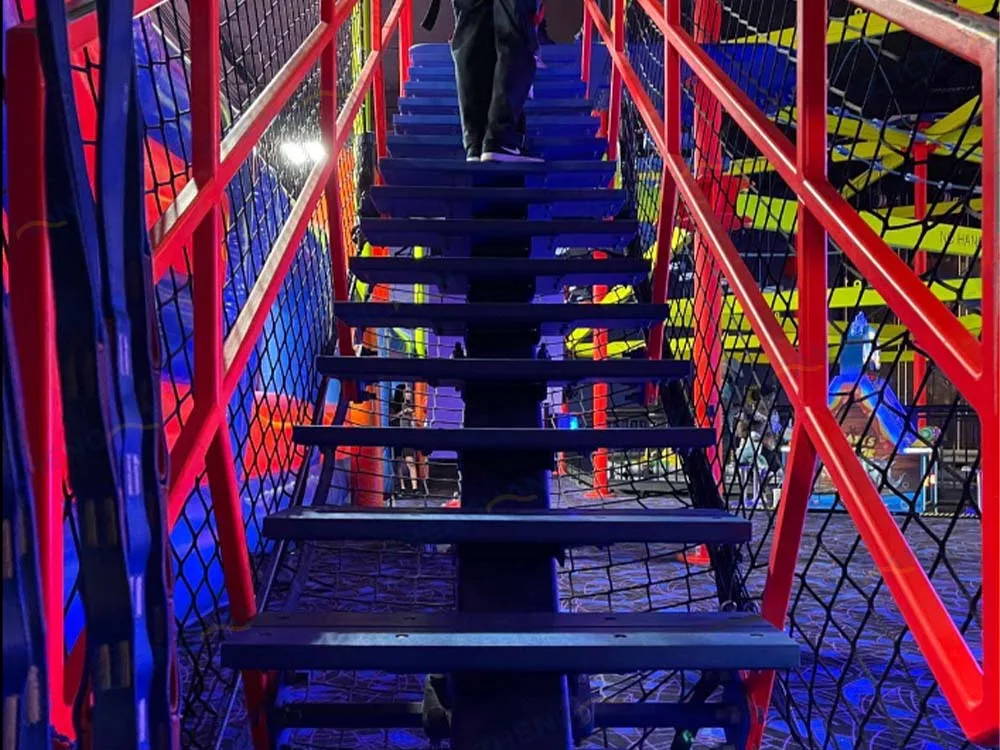
Trampoline equipment cannot be planned accurately without the building. Provide a current CAD plan or measured drawing showing:
- Clear height from finished floor to the lowest obstruction in every zone
- Beams, lights, ducts, sprinklers, and overhead services
- Columns, walls, doors, exits, and egress paths
- Floor construction and permitted anchoring method
- Electrical connections and interactive-system interfaces
- HVAC supply, return, and expected capacity
- Loading door, delivery route, turning space, and temporary storage
- Reception, seating, party rooms, and staff sightlines
Do not treat one area or height figure as a universal U.S. requirement. Open jump, performance trampolines, airbags, basketball, ropes, and climbing attractions have different spatial needs. The final configuration should be checked against the actual attraction list, equipment design, local consultants, and authority requirements.
8. Complete Lease and Approval Due Diligence
A low-rent property may require expensive changes to occupancy, sprinklers, HVAC, electrical service, or restrooms. Before accepting a long-term rent obligation, confirm zoning, whether indoor recreation is permitted, whether the existing Certificate of Occupancy is suitable, and whether a change of use is involved.
The U.S. Small Business Administration notes that business location determines applicable taxes, zoning laws, and regulations. Local review is therefore essential; a process used in one city should not be copied into another project without verification.
Lease negotiations should address:
- An exit condition if approvals or financing cannot be obtained
- Landlord and tenant responsibility for building work
- Tenant improvement allowance and payment conditions
- Free rent during design, review, and construction
- Base rent, NNN charges, and annual increases
- Signage, parking rights, hours, and exclusivity
- Renewal options and equipment-removal rights
A landlord’s statement that the use “should be allowed” is not a substitute for written zoning confirmation and professional review. Coordinate equipment and building design early to reduce redesign.
9. Case Example: Summit Adventure Park Marysville
Summit Adventure Park Marysville operates at 6610 64th St NE, Marysville, WA 98270. The venue previously operated as Altitude Adventure Park Marysville; its official site confirms the name changed while the same location continued operating.
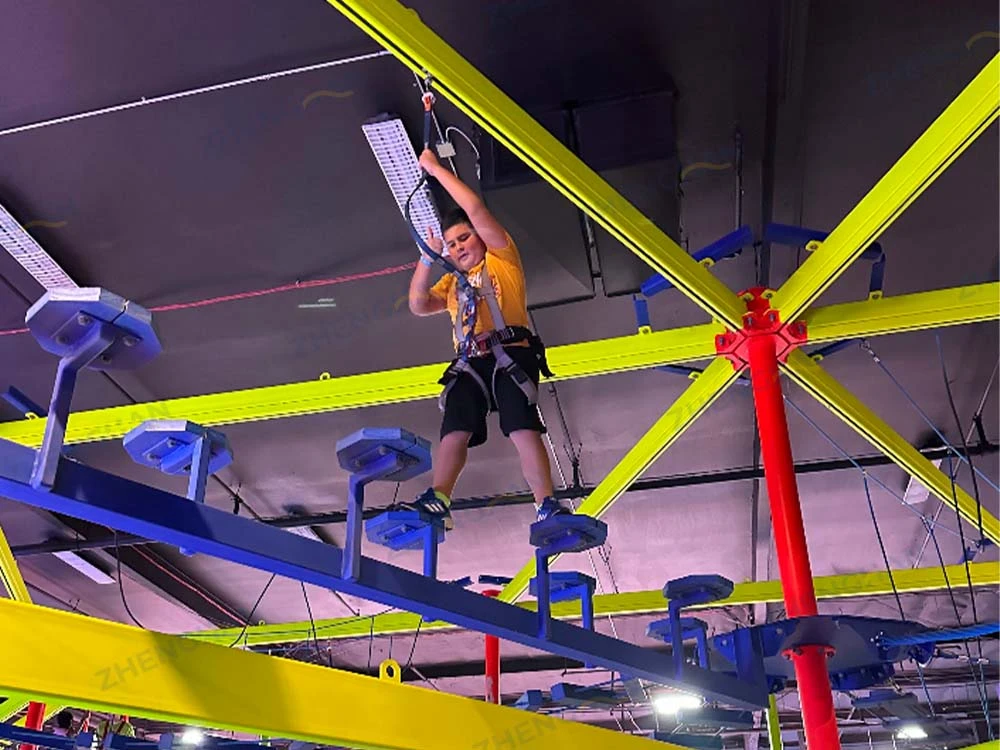
Publicly listed attractions include AirBag Trampoline Jump, Basketball Trampoline Dunk, Dodgeball, Inflatables, Ropes Course, and Performance Trampoline. The park also offers jump passes, memberships, birthday parties, and group events. It is located in a shopping center and can be reached from I-5.
The case illustrates three planning lessons. First, a building must support attractions with different height, circulation, and operating needs. Second, admissions are only one part of the revenue system; memberships, parties, and group events require space, scheduling, and sales capacity. Third, a shopping-center site must coordinate access, parking, signage, neighboring tenants, and peak traffic.
This article does not assign unverified financial results to the Marysville park or state that ZHENGHAN supplied it. The example shows how trade area, building, attractions, and revenue products must work together.
10. Evaluate Each Attraction Separately
Treat every proposed attraction as its own investment and operating category.
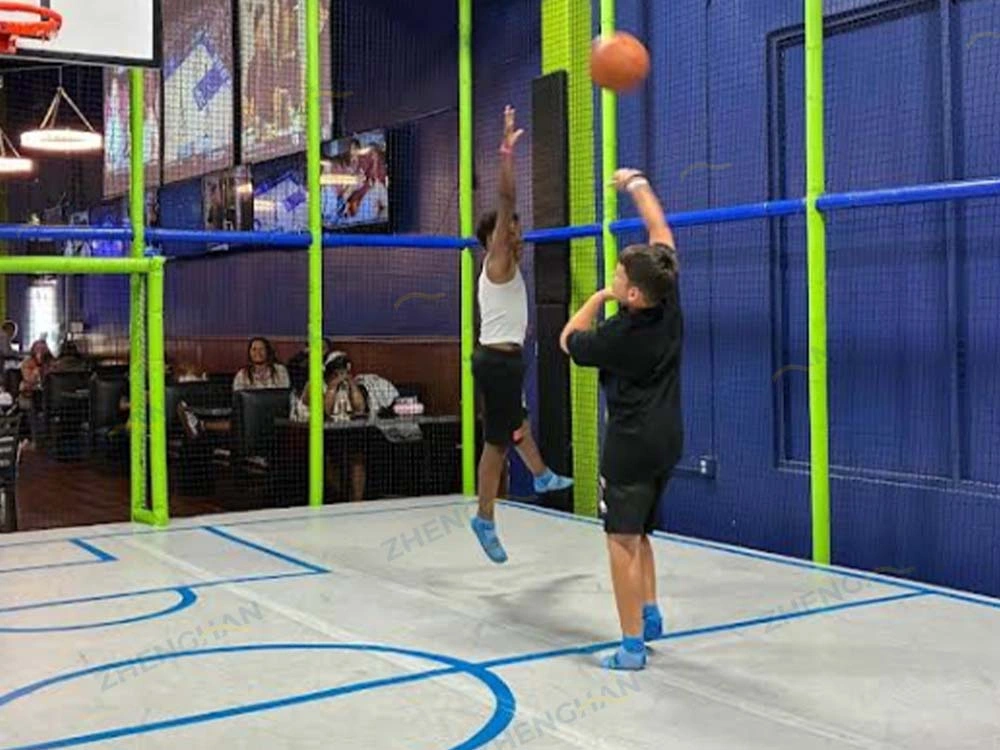
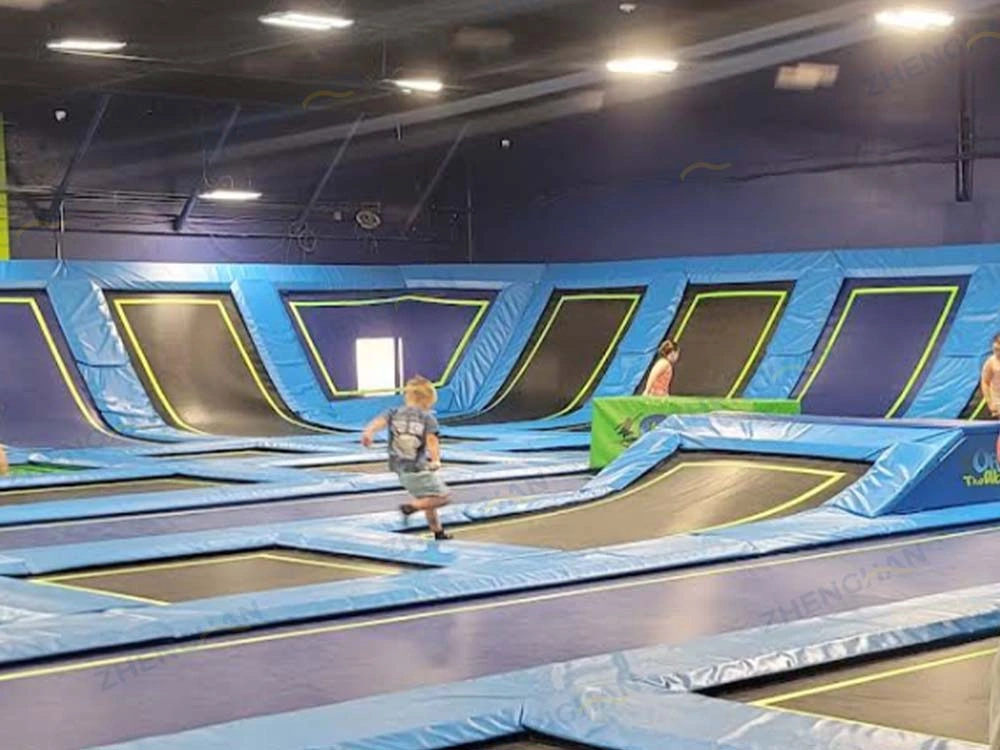
- Open jump: supports the core admission experience and larger throughput, but requires zoning, separation, and clear staff visibility.
- Dodgeball: supports groups but requires scheduling and age-management rules.
- Basketball dunk: needs separate confirmation of clear height and operating controls.
- Performance trampoline: serves higher-skill, higher-intensity use and should not be treated like a general jump area.
- Airbag: changes entry, exit, supervision, and maintenance planning.
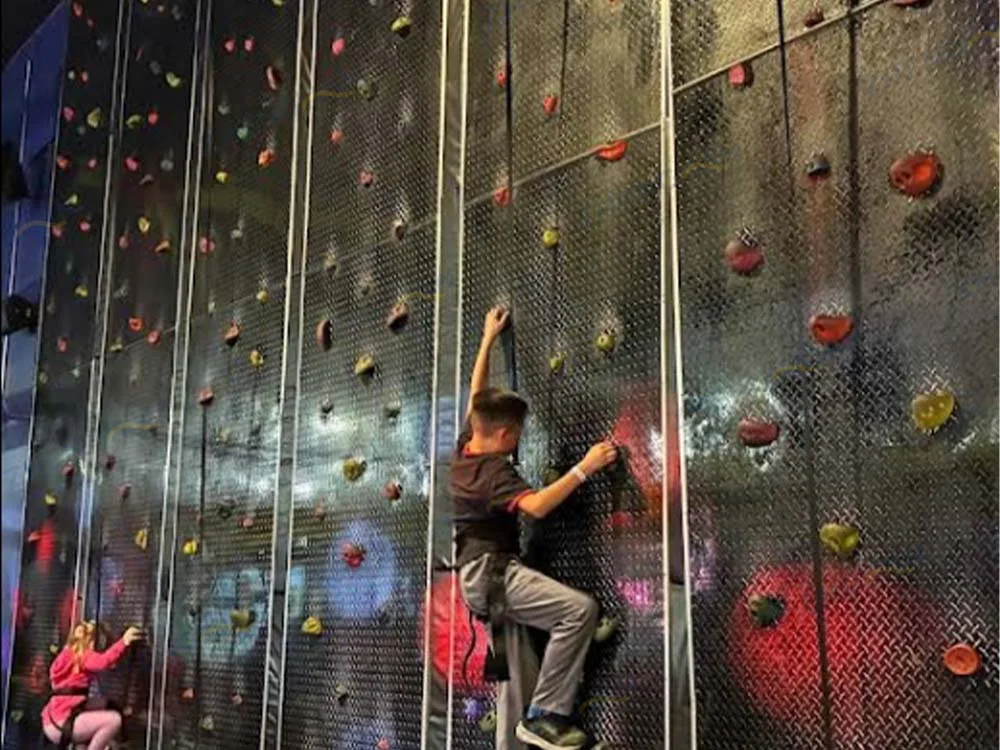
- Ninja or climbing: widens appeal while adding structural, height, document, and supervision needs.
- Toddler play: supports sibling visits but must be separated from high-energy users.
Provide the complete attraction list to the insurer, local design team, and equipment supplier early. A late addition may change layout, budget, documents, insurance review, and staffing rather than simply adding one purchase line.
11. Evaluate the Equipment Manufacturer
A supplier’s work should go beyond an attractive rendering and a total price. When comparing a playground manufacturer, ask:
- Is the layout customized to actual dimensions, clear heights, columns, and exits?
- Which frames, pads, nets, components, and spare parts are included?
- Which tests and technical documents apply to the proposed equipment?
- Do the documents match the final models and order scope?
- How are packing, labels, shipping, and installation drawings organized?
- Who installs the equipment, and what guidance is provided?
- What maintenance information, warranty, and after-sales support are included?
ASTM F2970 addresses the design, manufacture, installation, operation, maintenance, inspection, and major modification of commercial or institutional trampoline courts. For applicable projects and products, ZHENGHAN can provide supporting documentation related to ASTM F2970, matched to the final equipment and order scope.
Do not describe an ASTM standard as a universal certification issued by ASTM for every product. Product documentation also does not replace zoning, building, fire, business-license, or insurance review. The applicable edition and submission package should be confirmed with the project’s local professionals and authorities.
ZHENGHAN is a factory-direct manufacturer of commercial indoor playground and trampoline park equipment. Its project support can include planning, custom design, production, shipping support, installation guidance, and after-sales assistance. The investor remains responsible for appointing local architects, engineers, fire consultants, insurance advisers, and other professionals required for the address.
12. Make a Go, Revise, or Stop Decision
Go
Market demand, competitive position, building conditions, lease economics, and all three operating scenarios are acceptable. Local professionals have also provided a workable preliminary approval path.
Revise
The market opportunity is credible, but the plan needs lower rent, less floor area, a different attraction mix, revised lease terms, or more working capital. Update the concept and run the full model again.
Stop
The use is prohibited, essential clear height is unavailable, building or fire work cannot be controlled, or break-even attendance is beyond what the trade area can reasonably support. Rejecting a poor address is not abandoning the business idea. It protects the later equipment and operating investment.
The strongest trampoline park investment is not the one with the most optimistic forecast. It is the one that can explain where customers will come from, why they will choose the venue, how the building supports the attractions, how the lease protects the investor, and how the business will survive a slower-than-planned opening.
Send Your Floor Plan for Project Advice
Share your city and state, floor plan, length and width, clear heights, columns, entrances, fire exits, target ages, planned attractions, and expected opening date. Send Your Floor Plan for Project Advice and ZHENGHAN can provide initial equipment-layout and project-planning suggestions based on the actual space.
Frequently Asked Questions
How much does it cost to open a trampoline park in USA?
Total investment depends on the city, venue size, rent, building work, attraction mix, shipping, installation, insurance, and opening working capital. Equipment is only one category. Build a complete budget for the candidate address before relying on a general cost range.
What is the best location for a trampoline park?
The best site combines sufficient family demand, manageable competition, convenient access, parking, suitable clear height and building systems, affordable lease economics, and a use that can obtain local approval. No single population or rent number proves that a site is suitable.
How much space does a trampoline park need?
There is no universal area requirement. Space depends on the planned open jump, basketball, airbag, performance, ninja, toddler, party, seating, and service areas. Define the business model first, then create a custom layout for the actual building.
How do you calculate trampoline park break-even attendance?
Divide monthly fixed costs by contribution margin per paid guest. Contribution margin should include average ticket and add-on revenue minus guest-level variable costs. Model memberships, parties, and food carefully so revenue is not counted twice.
What should investors check before signing a lease?
Confirm zoning, permitted use, Certificate of Occupancy, change-of-use requirements, clear height, columns, fire systems, HVAC, electrical service, parking, delivery access, and likely improvement cost. The lease should also address approval contingencies, landlord work, tenant allowances, free rent, rent increases, renewal rights, signage, and equipment removal.
 English
  Spanish
  Arabic