
If you are gathering research to understand exactly how to write a high-profit trampoline park business plan, you are taking a crucial first step toward building a highly lucrative family entertainment center.
I am a source factory manufacturer. For the last 15 years, I have engineered massive steel trampoline grids, manufactured heavy-duty commercial amusement equipment, and collaborated directly with B2B investors across the globe. I read pitch decks and financial models every single week. I have seen firsthand what specific details help investors secure multimillion-dollar commercial bank loans, and what operational oversights cause well-intentioned projects to struggle.
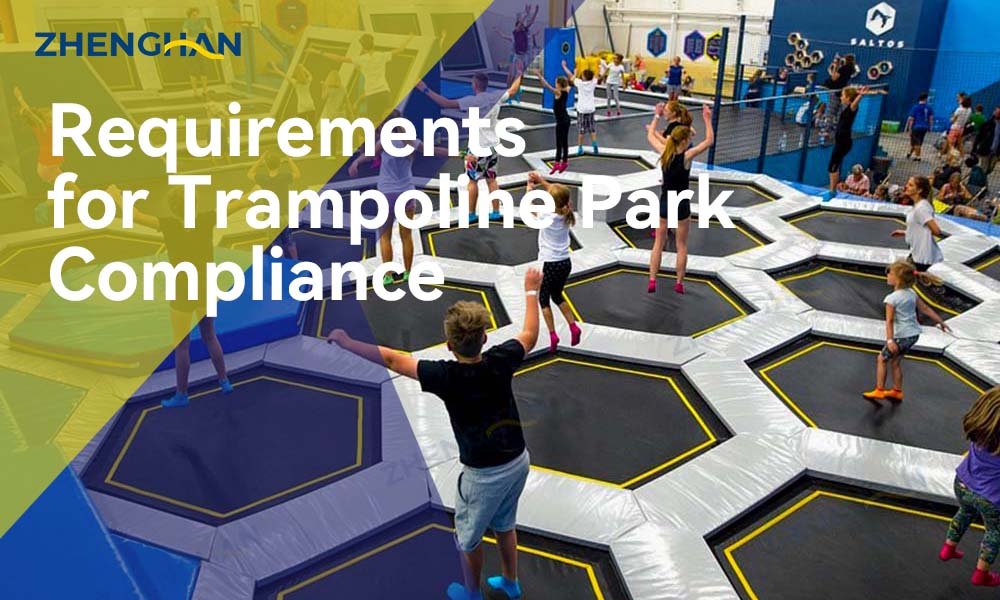
A trampoline park is a highly specialized, kinetic-energy facility. Lenders and private equity groups are looking for more than just a great branding concept. They want to see a clear understanding of risk mitigation, structural engineering compliance, commercial HVAC management, and strategies for maximizing hourly customer throughput.
If you use a generic business plan template, you might miss the unique mechanics of this specific industry. You are selling time, managing dynamic loads, and catering to active teenagers and adults.
Let me guide you through this process. Here is my practical, factory-level guide on how to structure a bank-ready document, built entirely on real manufacturing data, operational realities, and industry experience.
1. The Executive Summary: Throughput and Proactive Safety
Your executive summary is the introduction to your vision and operational expertise. Use this space to explain your revenue mechanics and how you will protect the business from physical liabilities.
Selling Hourly Throughput Unlike a standard soft playground where parents might pay a flat fee for all-day play, a trampoline park sells time. Your core product is the 60-minute, 90-minute, or 120-minute jump pass. Your plan must clearly articulate your “Hourly Throughput Strategy.” Explain to the bank how your lobby is engineered for speed. If a family of four takes 15 minutes to sign waivers and buy tickets on a busy Saturday, you are missing out on valuable turnover. Outline your investment in digital waiver kiosks, high-speed Point of Sale (POS) systems, and a wristband color-coding strategy to smoothly transition jumpers on and off the active courts.
Proactive Risk Management Lenders always want to know how you are minimizing risk. Your executive summary should immediately introduce your proactive safety protocols. State clearly that your facility operates strictly under ASTM F2970 or PAS 5000 commercial trampoline safety standards. Highlight that your business model relies on mandatory cloud-based waivers and dedicated, active floor monitoring. Showing the bank that you prioritize safety gives them confidence in your operational maturity.
2. Market Analysis: Selecting the Right Commercial Real Estate
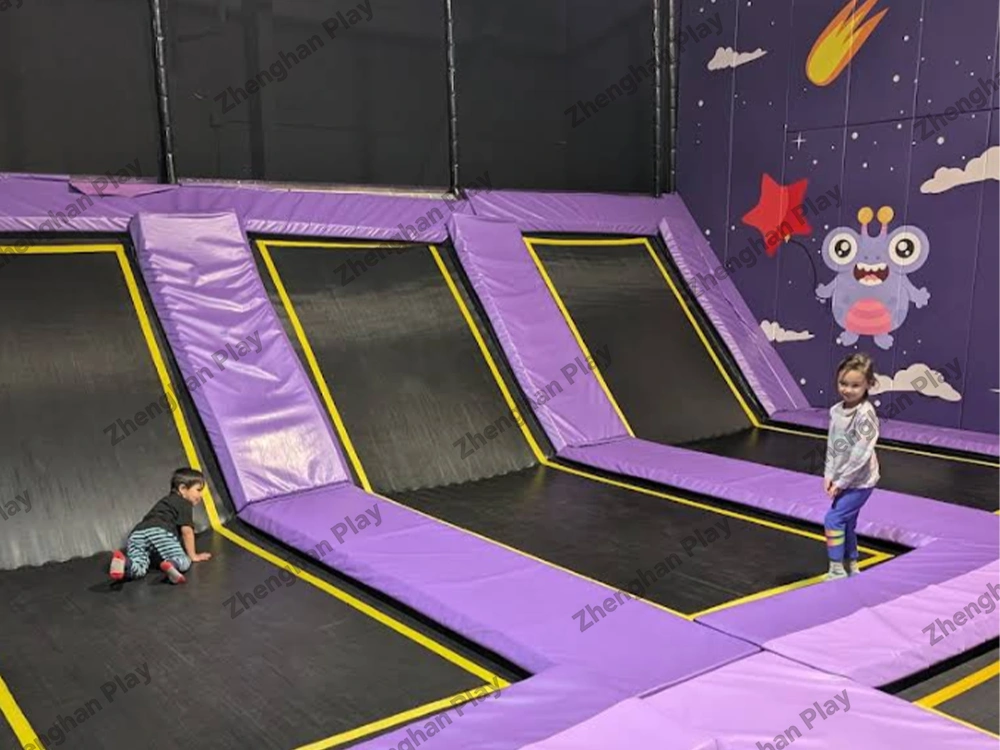
Finding the right building is one of the most critical steps in your journey. You must prove you understand the highly specific architectural requirements for an indoor jump facility.
The Clear-Span Column Requirement In your market analysis, define your exact building criteria. A standard industrial warehouse often features steel support columns every 15 to 20 feet. These columns can disrupt a grid design and create collision hazards. Your plan should specify that you are seeking a “clear-span” facility, or a building with a minimum column spacing of 30 to 40 feet, to allow for wide-open, safe jumping zones.
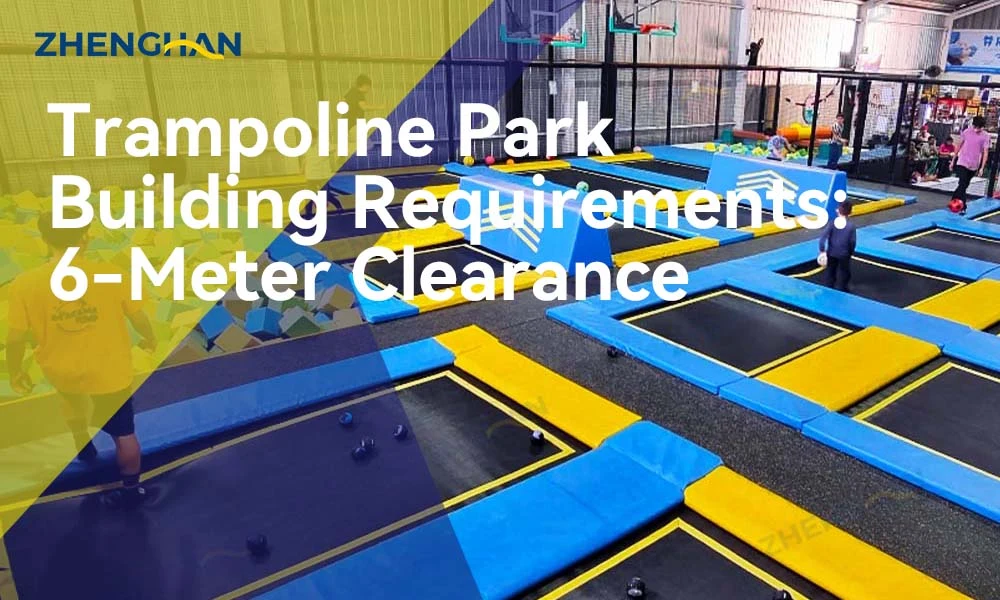
The Minimum Ceiling Height Rule You pay rent based on floor space, but your revenue potential extends into the air. A standard park requires an absolute minimum of 5 meters of clear ceiling height just for flat jumping. However, modern guests expect high-adrenaline attractions. If you want to include high-ROI features like elevated Ninja Warrior courses, trapeze swings, or high-performance Olympic trampolines, you will need 6.5 to 7.5 meters of clearance. Please note the word “clear.” You must account for low-hanging HVAC ducts, lighting fixtures, and fire sprinkler systems. Including these strict criteria in your document shows lenders you know exactly what you are looking for.
3. Sourcing and CapEx: Engineering for Dynamic Load
Lenders want to see a detailed, thoughtful capital expenditure (CapEx) budget. A generic line item for “Jump Equipment” is not enough. You need to demonstrate a sophisticated procurement strategy that balances cost with long-term durability.
The Factory-Direct Advantage State explicitly in your business plan that you intend to bypass domestic brokers and partner directly with verified indoor play equipment manufacturers to secure factory-direct pricing. This communicates to the bank that you understand supply chain efficiency. Buying direct optimizes your initial CapEx and allows you to communicate your raw material specifications directly to the engineering and welding teams.
The Steel and Spring Specifications A trampoline grid safely absorbs immense dynamic kinetic energy every single day. Detail your exact material demands in your CapEx section to reassure your investors:
The Steel Skeleton: The main structural frame will utilize heavy-duty hot-dip galvanized steel pipes with a minimum wall thickness of 2.5mm to 3.0mm. This robust steel prevents warping and bending under the constant load of active jumpers.
The Springs: You will only use high-tensile piano wire steel springs with anti-rust coatings, designed specifically for commercial longevity.
The Mat Fabric: Specify the use of commercial-grade, UV-resistant woven polypropylene (Permatron) that resists tearing even under extreme localized pressure.
4. Layout Engineering: Maximizing the Teen and Adult Market
While younger kids love trampolines, teenagers and young adults possess higher spending power and drive your lucrative Friday and Saturday night revenue. Your layout must appeal to them.
High-Adrenaline Attractions You should allocate budget for customized indoor trampoline park equipment that incorporates gamification and friendly competition. These attractions significantly increase customer retention and encourage repeat visits.
High-Performance Olympic Zone: Fenced off strictly for advanced athletes and parkour enthusiasts. This area utilizes heavier-duty springs and specialized performance mats that provide a much deeper, higher bounce.
Ninja Warrior Obstacle Courses: Suspended over thick landing mats or airbags. This draws athletic teenagers and corporate groups looking to test their strength and agility.
The Mechanical Wipeout: A rotating padded mechanical arm that up to eight jumpers must time their jumps to dodge. It creates highly engaging competition and is perfect for capturing shareable social media moments.
Jousting Battle Beams: Two jumpers balance on a narrow beam and playfully joust with padded sticks over a safe airbag. It is simple to operate but incredibly popular
5. Operational Expenses (OpEx): Ensuring Guest Comfort and Safety
Trampoline parks have unique operational expenses. Including these in your OpEx budget shows a seasoned understanding of the daily business flow.
Commercial HVAC Upgrades (The Comfort Factor) When you have 150 teenagers jumping actively for an hour, the ambient temperature rises quickly. To ensure a comfortable, odor-free environment, your CapEx and OpEx budgets must include robust commercial HVAC (Heating, Ventilation, and Air Conditioning) systems. You need high-tonnage units constantly cycling fresh, chilled air into the building. Properly budgeting for the initial installation and the monthly electricity bills is a sign of excellent facility management.
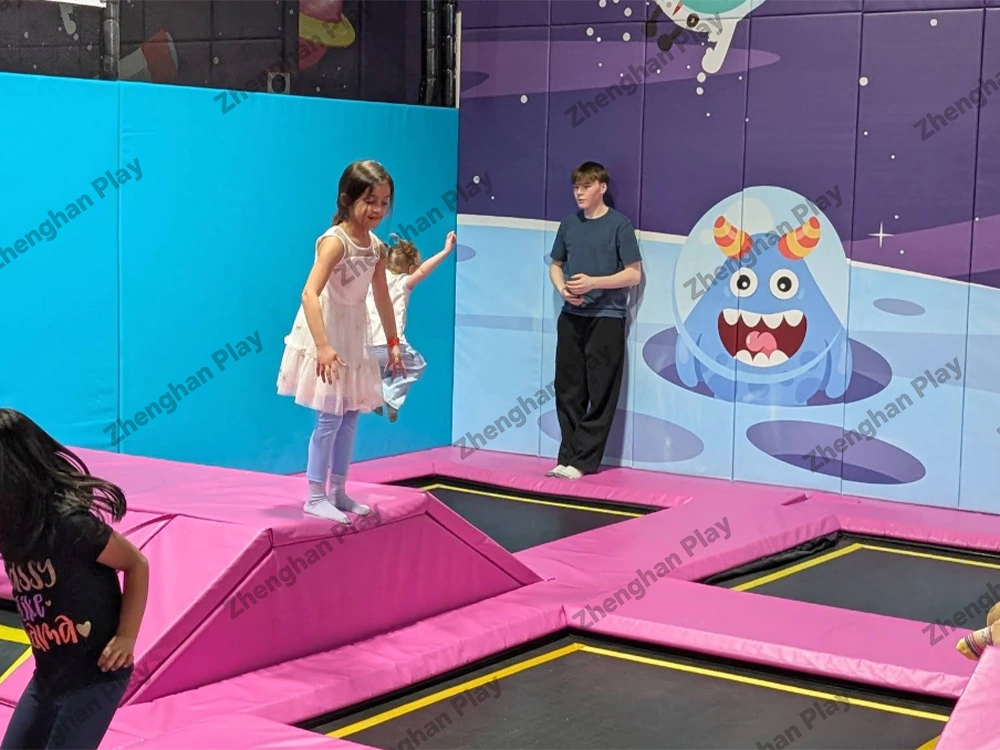
Active Court Monitors and Payroll An active sports facility requires constant supervision to maintain a safe environment. Teenagers will naturally want to attempt flips or race across the mats. Your insurance underwriter will likely suggest a strict “Court Monitor to Jumper” ratio (often around 1 monitor for every 20 to 30 jumpers). Your OpEx payroll must reflect this staffing requirement. Dedicated referees blowing whistles and gently enforcing safety rules creates a premium, secure experience that parents deeply appreciate.
6. Revenue Streams: Strategic Event Programming
To present an attractive Return on Investment (ROI) to your lenders, outline creative revenue generation outside of standard jump hours.
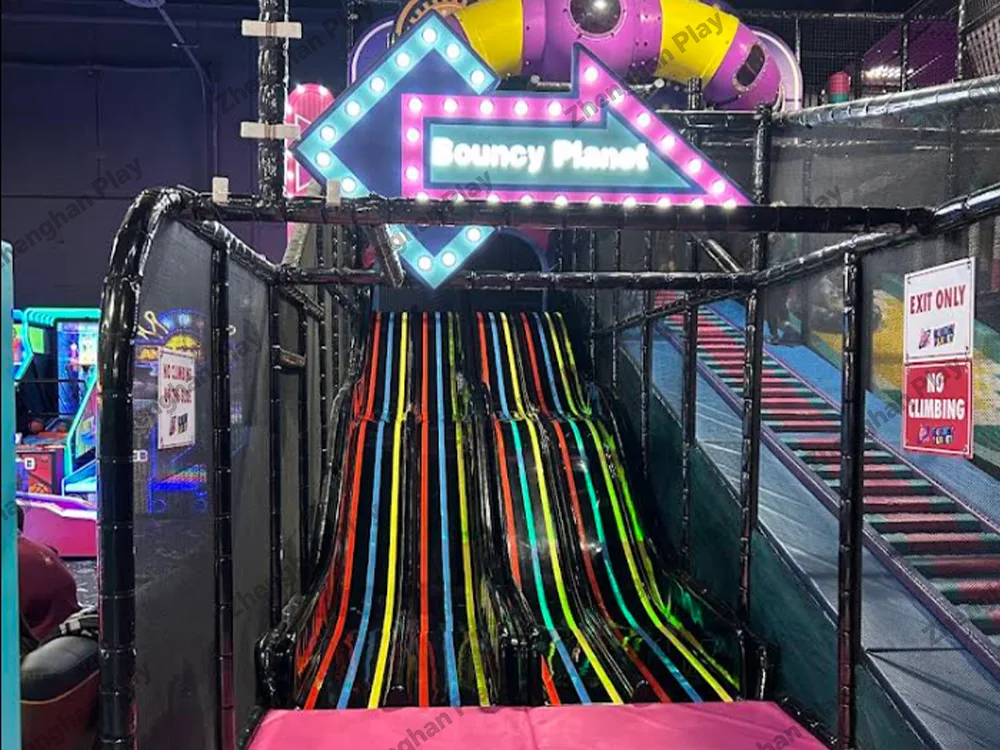
Friday Night “Glow” Events Teenagers are looking for unique weekend experiences. Your CapEx should include a budget for theatrical lighting trusses, blacklights, and a quality sound system. On Friday or Saturday nights, you can host a “Glow Jump” event. You dim the main warehouse lights, turn on the neon lasers, and charge a premium ticket price that includes a branded neon shirt. This dedicated three-hour window is highly profitable and builds incredible brand loyalty among the local youth demographic.
Corporate Teambuilding Outline a B2B strategy to target local corporations. Companies frequently look for fun, active venues for employee teambuilding. You can rent out your dodgeball arena on Thursday afternoons, charging a flat facility fee, providing grip socks, and upselling them on catered food from your cafe.
Consistent Grip Sock Revenue For safety and hygiene, no one should jump in regular street socks. Mandating branded, rubber-bottom grip socks is an industry standard. You purchase these from your manufacturer at a low wholesale cost and sell them at the register. Because your facility processes high volumes of hourly customers, your grip sock inventory turnover provides a very reliable, high-margin revenue stream.
7. Risk Management and Daily Maintenance
Maintaining your physical assets is crucial for long-term success and favorable insurance premiums.
The Frictionless Digital Waiver System State that absolutely no one steps onto a jump mat without a signed digital liability waiver. Utilizing a frictionless software system allows customers to sign waivers on their phones before arriving. This speeds up your lobby check-in process and ensures all legal documentation is perfectly organized in the cloud for your insurance provider.
The Daily Inspection Cycle A great operator takes pride in their equipment. Outline your daily Standard Operating Procedure (SOP). Every morning before opening, your maintenance team will walk the entire steel grid. They will check the tension of the safety netting, lift the PVC padding, and inspect the springs. If a spring shows signs of stretching, it is replaced immediately to prevent the structural load from transferring to adjacent springs. Stating clearly that you will maintain an on-site inventory of spare factory springs shows the bank you are fully prepared for daily operational excellence.
8. Sales-Grade FAQ & Objection Handling
Q: Can I lease a building with a very low ceiling if I only intend to install flat, standard trampolines?
It is highly recommended to seek higher ceilings to maintain optimal safety margins and insurance compliance. My Experience: A commercial steel frame typically sits about 1 to 1.2 meters off the concrete floor. If your ceiling is too low, your jumpers are left with inadequate clearance. A taller teenager can easily bounce and reach low-hanging fire sprinklers or light fixtures. Protecting those fixtures is crucial to prevent accidental water damage to your facility. Underwriters prefer generous overhead space. I always advise my clients to secure a building with an absolute minimum of 5 meters of clear height, which provides a comfortable safety buffer and room for future attraction upgrades.
Q: Should I consider purchasing a used trampoline park grid to save on initial startup costs?
I strongly advise purchasing new equipment to ensure structural integrity and current safety compliance. My Experience: While buying used equipment might seem like a smart way to reduce your CapEx, it often introduces hidden challenges. A used frame has absorbed millions of dynamic bounces over its lifespan. The structural joints may have experienced metal fatigue, and the padding may no longer meet the latest ASTM F2970 or PAS 5000 commercial safety standards. Fire marshals and insurance companies require current physical safety certificates for the steel and fire-retardant materials. Investing in brand-new, factory-certified equipment ensures your park opens on time without compliance delays.
Q: Can I run the park with just front desk staff to keep my payroll expenses low?
Active floor monitors are essential for maintaining safety and adhering to commercial insurance policies. My Experience: An indoor jump park is an active sports environment. Guests will naturally want to test their limits, which can sometimes lead to double-bouncing or ignoring safety rules. If an accident occurs, your insurance provider will want to see that trained staff members were actively monitoring the court. Budgeting for a team of friendly, attentive Court Monitors is not just a safety requirement; it elevates the customer experience. Parents feel much more comfortable returning to a facility where staff are actively engaged in keeping everyone safe.
Q: Are traditional foam pits still the best option for jumping drop zones?
Commercial airbags are now the preferred standard over foam pits due to superior hygiene and lower maintenance. My Experience: Ten years ago, every facility included massive foam pits. Today, I guide my clients toward commercial-grade airbags. Foam blocks naturally degrade over time, creating dust that settles at the bottom of the pit. This requires your staff to empty and sanitize the pit manually, which is incredibly labor-intensive. A commercial airbag provides a premium, safe landing experience, requires virtually zero daily maintenance, and completely eliminates the dust issue, making it a much smarter long-term investment.
 English
  Spanish
  Arabic