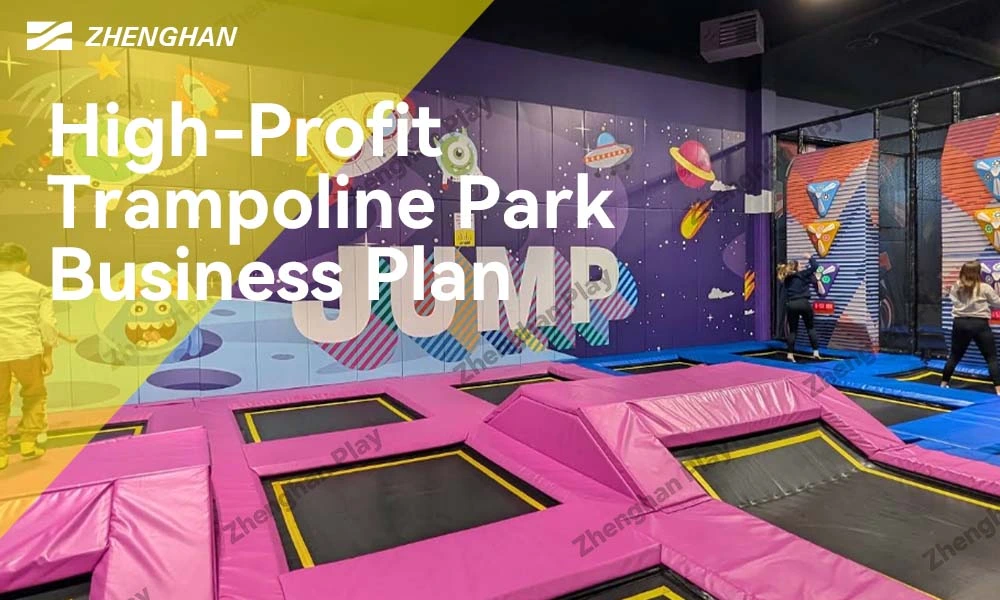
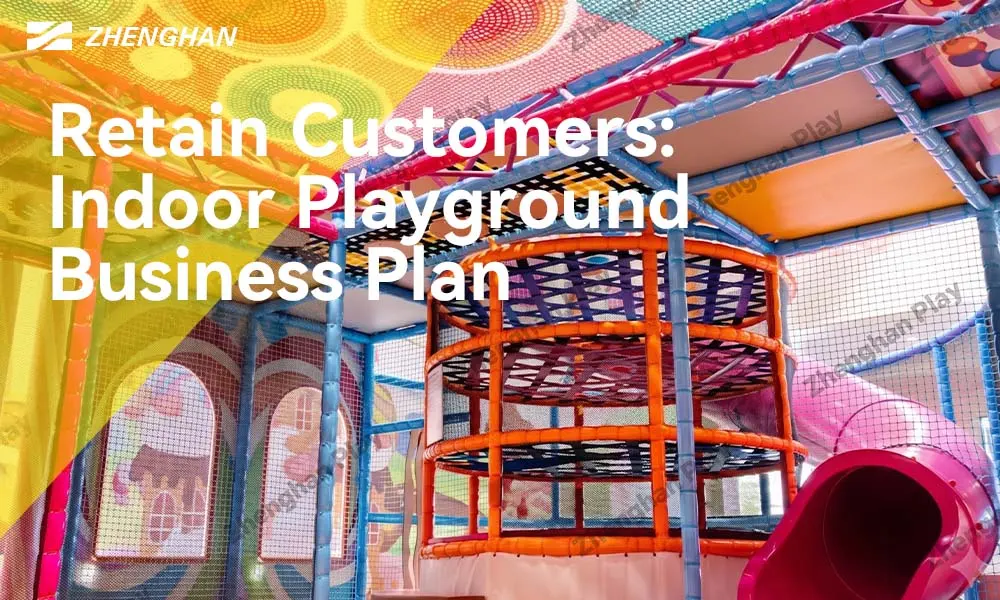
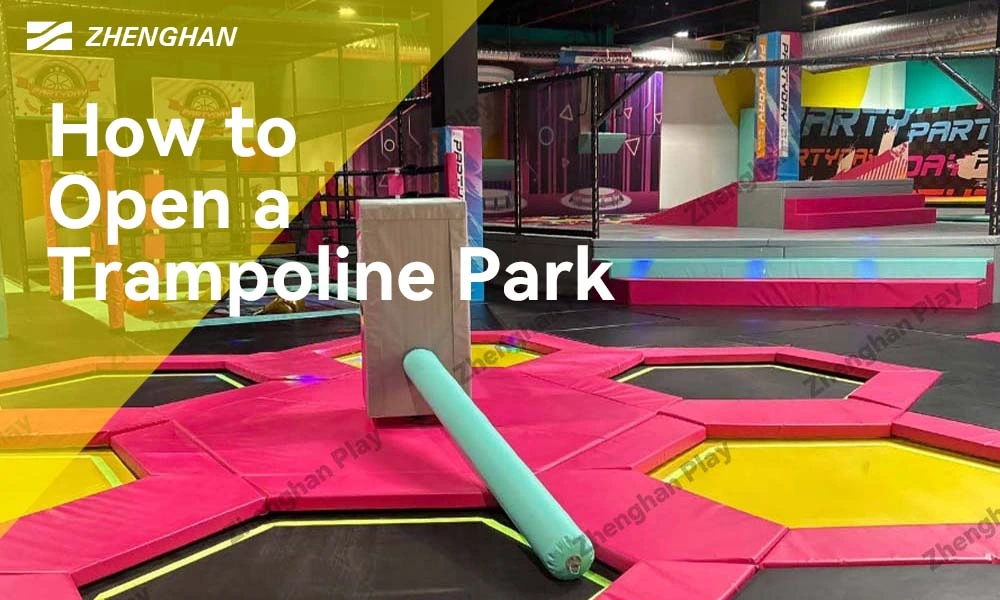
Over the past 15 years in the manufacturing and export industry, I have watched countless investors embark on the journey to build the world’s best trampoline park. It is a dream filled with excitement. They bring me beautiful blueprints and breathtaking photos of multi-million-dollar facilities, hoping to recreate that exact magic in their own local markets.
I deeply respect that ambition. However, building a lasting, profitable park requires more than just copying a beautiful picture from the internet. It requires a calm, calculated approach to engineering.
When you look at a highly successful park, you are seeing the final result. What you do not see are the meticulous engineering standards, the carefully selected materials, and the strict safety protocols working quietly behind the scenes to keep the facility running safely every single day. If you simply copy the visual design but use a supplier who cuts corners on the structural foundation, the dream can quickly become a stressful financial burden.
My goal is to help you build a facility that passes strict international inspections smoothly and generates reliable revenue for years to come. Let us take a step back, look past the bright colors, and explore the real engineering principles that elite parks use to ensure their success.
1. The Core Infrastructure: Heavy-Duty Materials
When you walk into a premium facility, the structural integrity is invisible to the guests. New investors naturally focus on the visual aesthetics, but the true value of your investment lies entirely in the raw materials.
Some suppliers will offer quotes that look identical on a digital rendering but arrive with dangerously thin pipes and porous padding. Replacing these components early in your business journey causes unnecessary stress and operational downtime. To achieve world-class durability, we rely on very specific, proven factory specifications:
The Steel Matrix: We build the foundation using heavy-duty galvanized steel frames. Galvanization protects the metal from indoor humidity, ensuring the skeleton of your park remains rock-solid and free of corrosion for decades. This heavy-duty approach allows the framework to easily handle the dynamic, kinetic weight of dozens of teenagers jumping simultaneously without flexing or bowing under the extreme pressure.
The Shock Absorption: We carefully select 35 kg/m³ high-density flame-retardant foam. Through years of rigorous factory testing, this specific density provides the absolute ideal mathematical balance. It gently and firmly absorbs the kinetic impact to protect the jumpers’ joints upon heavy landings while strictly meeting international commercial fire safety codes.
The Skin: We wrap every exposed surface, pillar, and soft block in premium, marine-grade PVC. This material is entirely waterproof and highly resistant to the daily abrasive friction caused by grip socks. It allows your cleaning staff to wipe the park clinically clean in seconds, maintaining a pristine, hygienic environment for your guests over the long term without fading or tearing.
A calm, successful operation begins with a foundation that you never have to worry about.
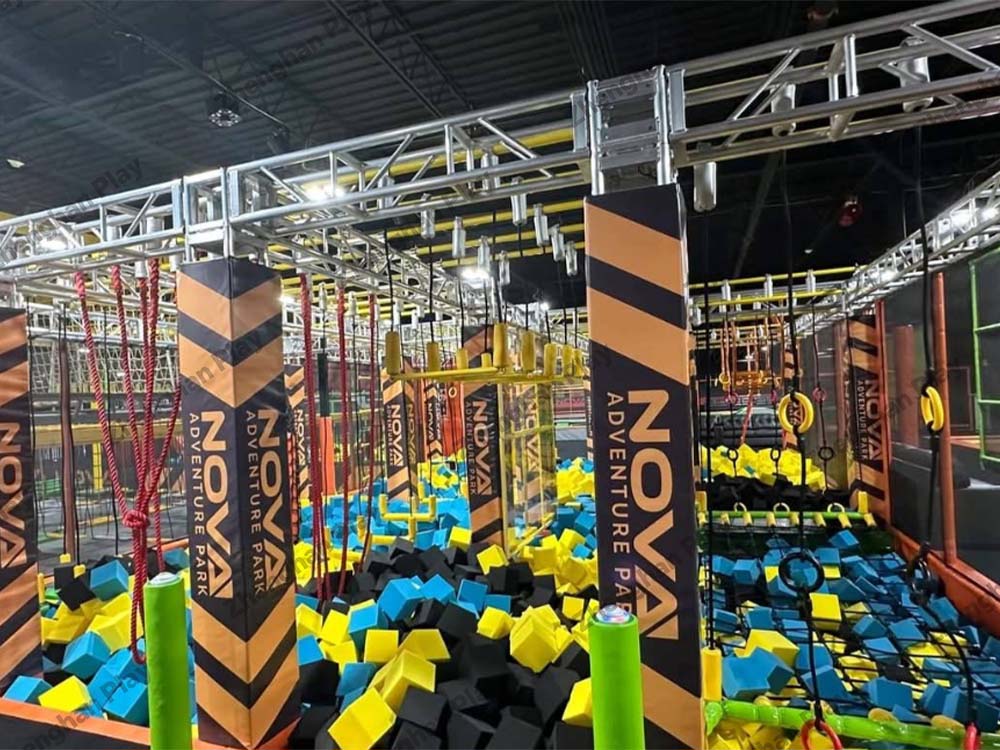
2. The “Double Protection” Standard for Challenge Zones
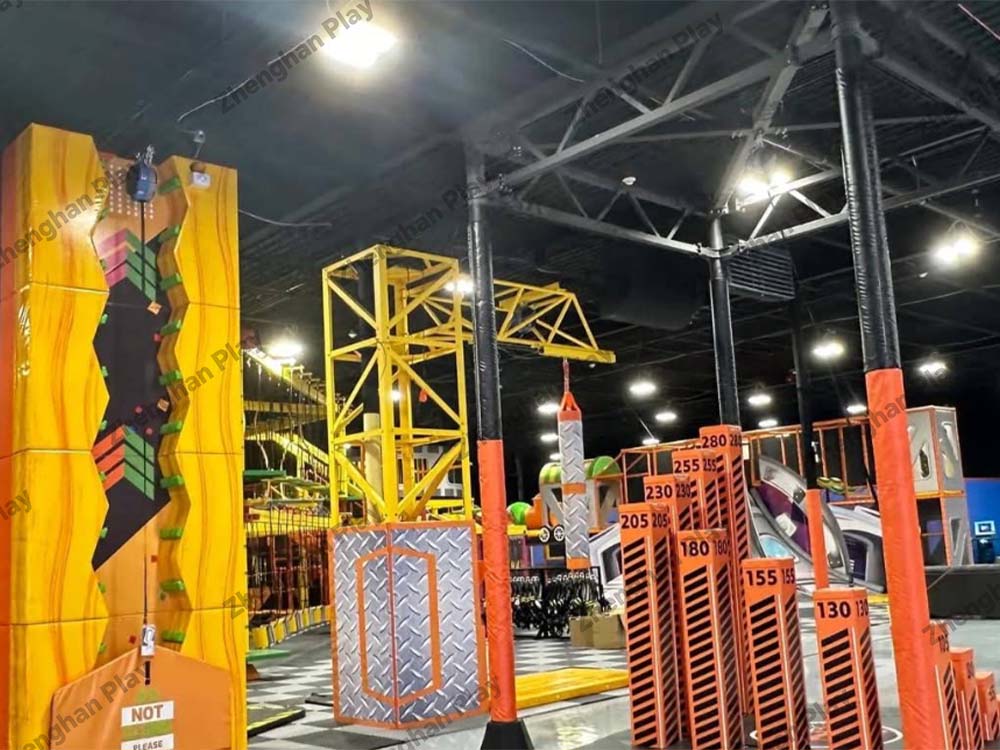
Modern parks have evolved beautifully. They offer engaging aerial ropes courses, high-altitude obstacle runs, and elevated physical challenges. These extreme sports zones are wonderful for marketing and encourage your primary demographic—teenagers and young adults—to return week after week to test their physical limits.
However, elevated play requires elevated safety measures. In a standard, low-budget setup, a supplier might simply place a thin floor mat underneath an aerial element and call it compliant. For true peace of mind, we engineer a strict “double protection” standard across all elevated areas.
If a jumper loses their footing on a high-altitude challenge element, we want two independent safety systems working seamlessly together.
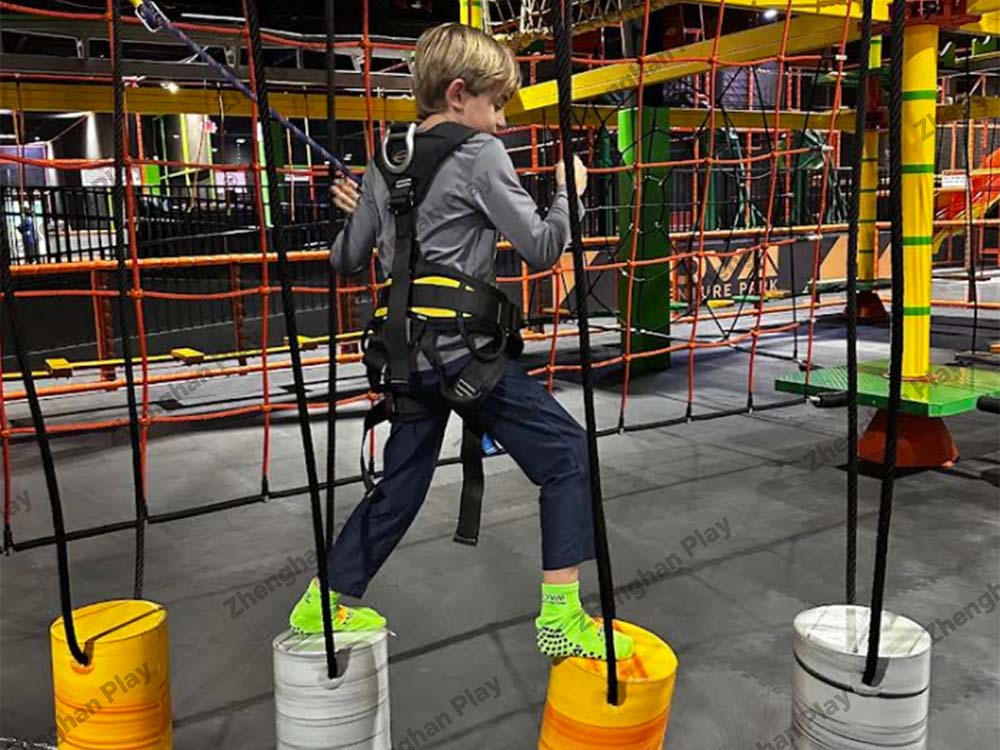
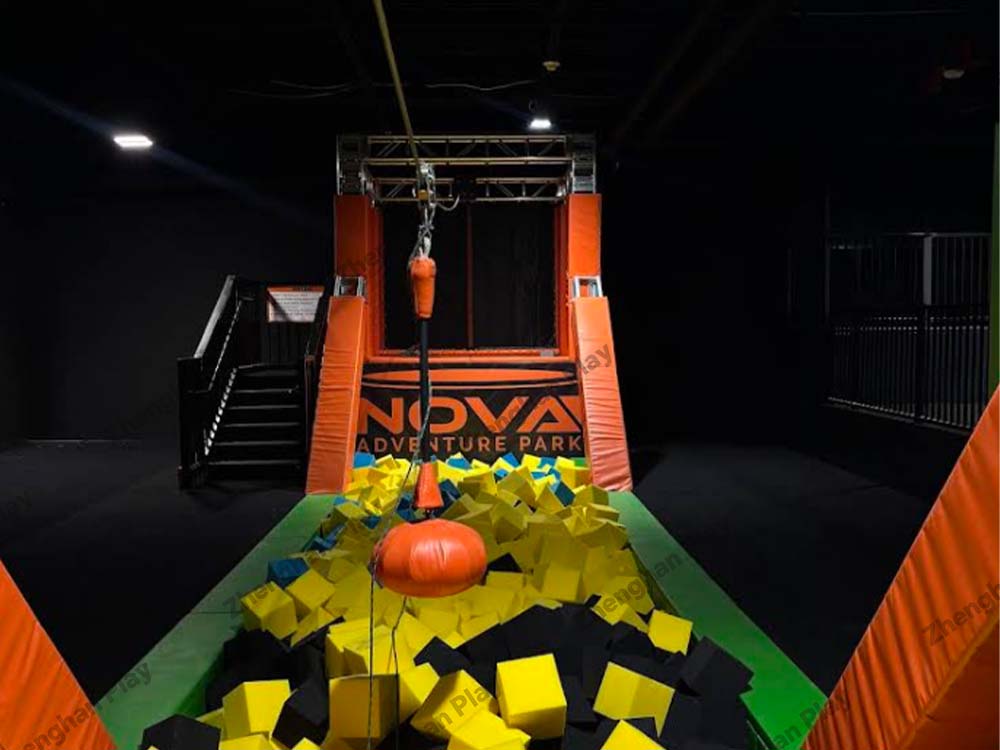
The Safety Belt: First, every single participant is secured with an industrial-grade safety belt attached to a reliable auto-belay harness system. This mechanical system safely controls their descent the moment they slip.
The Soft Pad: Second, we meticulously install extreme-thickness soft buffer pads covering the entire ground zone beneath the element.
This thoughtful redundancy ensures that the safety belt catches the immediate fall, while the massive soft pad provides an undeniable secondary layer of physical protection on the ground. This two-tier safety architecture makes it simple to pass strict ASTM and EN safety certifications, keeping your guests safe and your mind entirely at ease.
3. The Physics of the Bounce: Springs and Mats
The true feeling of a world-class park comes directly from the kinetic energy transfer during a jump. Many investors overlook the specific mechanics of the bounce, assuming all black jumping mats are created equal. This is a costly oversight that directly affects your customer retention.
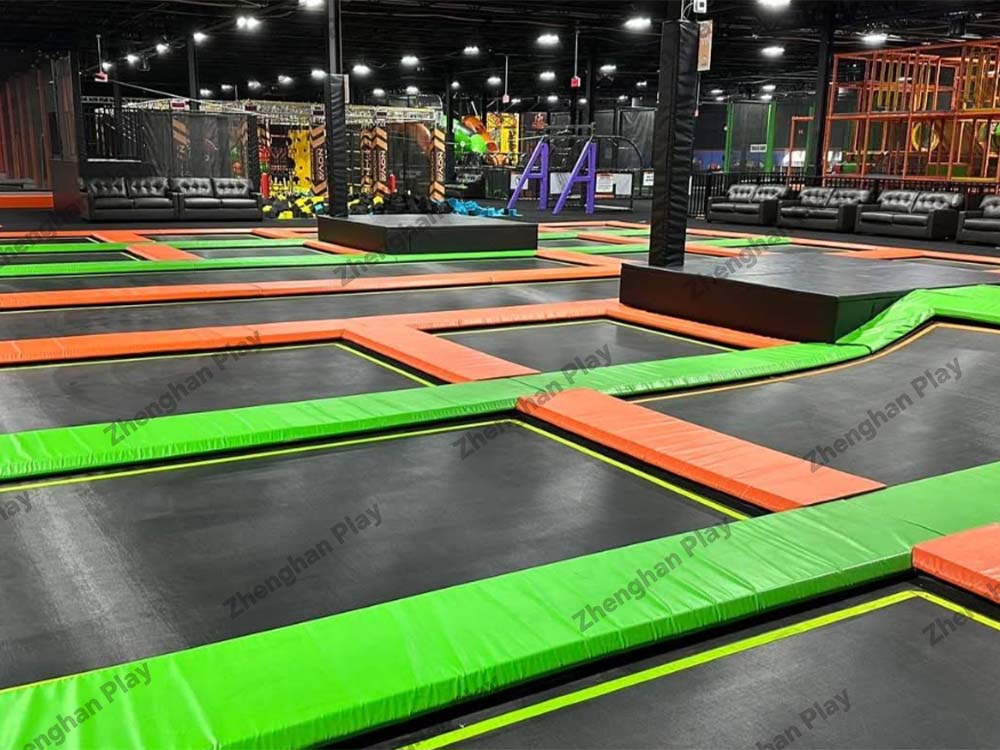
In elite facilities, the bounce is carefully engineered. We do not use standard recreational springs. We utilize heavy-duty, commercial-grade galvanized steel springs with specific coil counts designed to stretch and retract millions of times without suffering metal fatigue.
These premium springs are attached to high-tension woven PP (polypropylene) mats. Cheap mats stretch out after a few months of heavy use, creating a “dead bounce” that exhausts the jumper and ruins the physical experience. A properly woven commercial mat, paired with the correct spring tension, provides a crisp, highly responsive bounce that safely returns energy to the jumper. This exact physical balance is what keeps older kids and athletes coming back to your specific park instead of visiting a competitor.
4. Finding True Source Play Equipment Manufacturers
The sourcing process should be a partnership, not a gamble. Navigating the internet yields hundreds of trading companies, which can lead to miscommunications and poorly fitting equipment. When a third party outsources different components to different workshops, the final assembly often requires onsite modifications that compromise safety and delay your opening day.
Working directly with verified source play equipment manufacturers brings predictability to your project. We map your specific HVAC ducts, concrete columns, and ceiling heights. We design everything in a true 1:1 scale so that when the equipment arrives, it fits your building perfectly without blocking fire exits or hitting pillars.
A reliable factory also provides clear, professional terms. Our standard protocol is a 30% deposit to begin the custom production, with the remaining 70% balance paid in full prior to shipment. This structured approach ensures your materials are secured, quality control is rigorously maintained on the factory floor, and your shipping container leaves the port on schedule.
5. Scaling the Commercial Aspect: Traffic Flow
A truly successful park feels relaxing for the parents and exciting for the kids. This delicate balance is achieved through careful, deliberate traffic management. You want your guests to move smoothly through the facility without feeling crowded or rushed.
When designing a commercial facility, we carefully plan the human behavior within the space. We implement a clean “single entry, single exit” traffic flow. By separating the reception and ticketing desk from the exit gates, we prevent frustrating bottlenecks. Parents purchasing tickets do not physically collide with families trying to leave. Keeping the pathways wide and the traffic flowing in one direction preserves your premium brand image, prevents lobby chaos, and creates a stress-free working environment for your staff. We also strategically place parent viewing lounges along the perimeter, ensuring adults can comfortably watch the action without standing in the main egress aisles.
6. Upgrading Your Commercial Indoor Play Equipment
Facilities naturally age, and guests always look for new, engaging experiences. If your park has been open for three or four years, you might notice a plateau in ticket sales. You do not need to undergo a massive, stressful renovation to breathe new life into your business. Upgrading your indoor play equipment does not have to be a complicated or overwhelming process.
As an operator, you can simply divide your park upgrades into three clear, manageable categories: thematic upgrades, adding digital equipment, and replacing damaged consumables. By keeping the heavy steel framework intact, you save capital while completely transforming the guest experience.
Category A: Thematic Upgrades
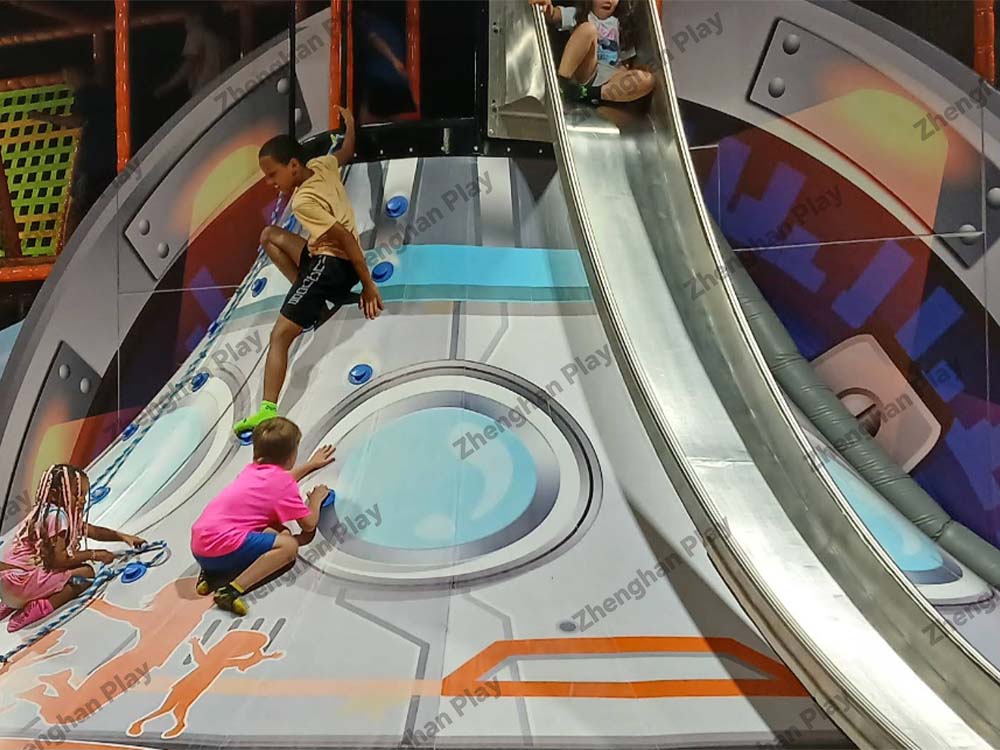
The visual atmosphere of your park sets the tone for the customer experience. Over time, bright primary colors can begin to look dated or faded. A thematic upgrade is a purely aesthetic transformation that changes the entire mood of the room without altering the physical layout. We achieve this by updating the custom-printed PVC covers on your perimeter walls, column wraps, and soft padding. You can transition an older, brightly colored aesthetic into a sleek, modern neon theme or a sophisticated, minimalist design. By simply replacing the outer “skin” of the park with fresh, highly detailed PVC patterns, the facility feels brand new, highly attractive for social media photos, and deeply appealing to an older demographic.
Category B: Adding Digital Equipment
While physical durability is the foundation of your park, modern guests crave interactive, gamified experiences. You can inject high-tech energy into your facility without sacrificing valuable floor space or building new steel structures. We integrate digital equipment seamlessly into your existing layout. This includes installing high-definition interactive projection systems onto blank walls, allowing jumpers to throw soft balls at moving digital targets. We also utilize wireless LED sensor targets across jump zones. Guests wear RFID wristbands to track their scores as they bounce to hit flashing lights. These digital additions turn a static jumping session into a highly competitive, interactive game, massively increasing the replay value of your park and keeping teenagers engaged for hours.
Category C: Replacing Damaged Consumables
The final, and perhaps most vital, aspect of upgrading is addressing the physical wear and tear. No matter how premium the materials are, high-traffic commercial parks naturally consume parts over time. An upgrade is the perfect time to perform a full audit of your consumables. This means replacing frayed or sagging nylon safety netting to restore a clean, secure boundary around your courts. It means swapping out stretched, fatigued springs that have lost their tension and replacing heavily used PP jumping mats. We also replace any 35 kg/m³ foam pads that have compressed over years of heavy landings. Replacing these core consumables instantly restores the crisp, responsive “Day 1” bounce quality to your park, ensuring the equipment remains perfectly safe and highly enjoyable.
7. The Hidden ROI of Daily Maintenance Protocols
Building and upgrading a premium park is only the first half of the equation. The world’s best operators protect their investment through strict, daily maintenance routines. Many new owners mistakenly believe that commercial-grade materials are entirely invincible. While our galvanized steel and heavy-duty PVC are incredibly tough, they still require respect and careful attention.
A calm, organized maintenance schedule is the secret to extending the lifespan of your park. Every evening after closing, your staff should systematically inspect the high-traffic jump zones. They must check the tension of the commercial springs beneath the padding to ensure the load remains perfectly balanced. The premium PVC surfaces should be wiped down with neutral, non-abrasive sanitizers to remove the daily buildup of sweat and oils from grip socks.
If you neglect the PVC, the accumulated oils will eventually degrade the material. If you ignore a loose spring, the surrounding springs must bear a heavier load, leading to premature metal fatigue. Elite parks operate like well-maintained machines because the owners treat the equipment with respect. Following a clear maintenance guide ensures your facility looks just as inviting in its fifth year as it did on opening day.
8. The Installation Tolerance Reality
Even the highest-quality factory materials will underperform if they are assembled incorrectly. The physical installation is where your blueprints become reality, and it requires absolute precision from the ground up.
When our heavy-duty steel matrix arrives at your facility, it must be leveled perfectly on your concrete floor. A variance of just a few millimeters across a long jump matrix can create an uneven kinetic distribution. Over time, this microscopic imbalance forces certain joints to absorb more shock than others, leading to unnecessary wear, structural squeaking, and eventually metal fatigue.
We highly recommend using experienced installation teams who understand the unique physical tolerances of extreme sports equipment. Every single bolt must be torqued to the correct specification, and every safety pad must overlap seamlessly to prevent any exposed metal. A precise, patient installation process prevents long-term structural fatigue and ensures your guests experience a smooth, safe, and consistent bounce across the entire park.
9. The Fire Marshal Reality Check
Safety is the quiet cornerstone of the amusement industry. The most beautifully designed park must first be a safe haven for the community.
We take international fire codes very seriously. The materials we use—the premium commercial PVC, the 35 kg/m³ high-density foam, and the heavy-duty nylon safety netting—are meticulously engineered to self-extinguish and carry strict SGS, ASTM, or EN fire-retardant certifications. Every element is thoughtfully designed and safely routed deeply within the galvanized steel framework. This keeps the aesthetic incredibly clean and the environment completely safe from electrical or fire hazards.
We supply our clients with a full dossier of material certificates prior to the installation phase. By building strictly to code from the very beginning and having your documentation prepared, you ensure that your safety inspections go smoothly, allowing you to open your doors to the public exactly as planned without any stressful last-minute modifications or bureaucratic delays.
Investor FAQ (Factory Insights)
1. Can I use a generic residential trampoline to save money in a commercial space? No. It will not withstand the daily operational demands of a commercial facility.
My Experience: Residential trampolines are wonderful for backyard use, but they are simply not engineered for hundreds of kids jumping for 10 hours a day. The residential-grade springs and thinner steel frames will experience fatigue very quickly in a commercial setting. To protect your guests and your investment, you must always use heavy-duty galvanized steel and commercial-grade springs.
2. Is the “double protection” standard strictly necessary for aerial challenge zones? Yes. It is the most reliable way to prevent impact injuries from elevated heights.
My Experience: Relying on a single ground mat beneath a high-altitude element leaves too much to chance. In all our challenge zones, we integrate double protection: the safety belt harness catches the jumper mechanically, while the extreme-thickness soft pads cover the ground as a physical fail-safe. It adds a step to the manufacturing process, but it completely secures the safety of the jumper and the peace of mind of the operator.
3. If my ceiling is slightly low, can I just compress the jump height of the trampolines? Only if the adjustment strictly adheres to ASTM safety clearances for adult users.
My Experience: We must always maintain proper overhead clearance to prevent injuries. If a specific area of your building has a low ceiling, we do not force a high-performance trampoline into that spot. Instead, we calmly pivot the design, utilizing that lower space for ground-based interactive equipment or obstacle courses that do not require high vertical clearance.
4. Are digital equipment upgrades difficult to install in an older park? No. They are designed to integrate seamlessly without structural changes.
My Experience: When clients want to add digital projection games or LED target sensors, we utilize the existing perimeter walls and the current steel framework. Because these additions require zero floor space and do not require heavy structural welding, they can be installed quickly during off-hours, providing a massive boost to the guest experience with minimal operational downtime.